

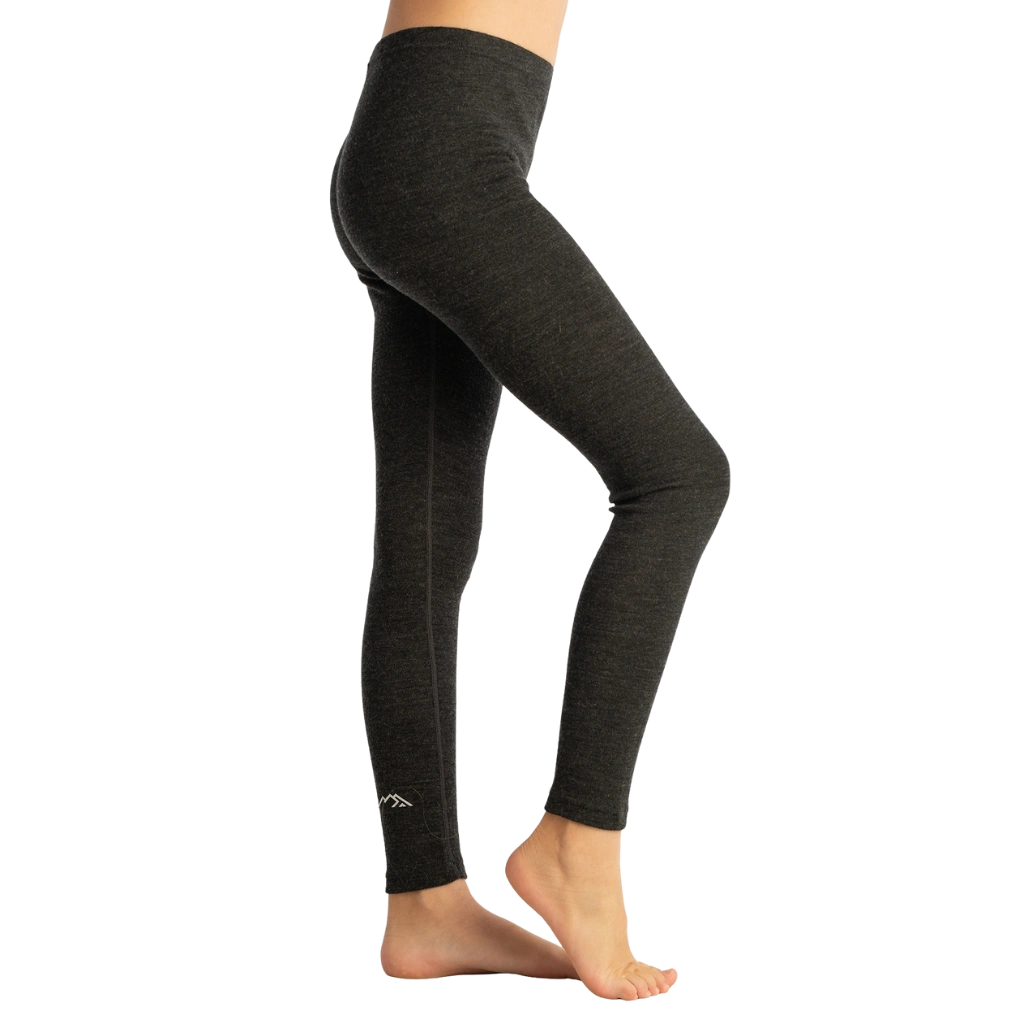


Merino has a reputation for being delicate. It isn't — it just dislikes three specific things: heat, agitation and harsh chemistry. Avoid those and a merino garment will outlast most of your wardrobe. Here is the whole method, from the machine settings to the mistakes that quietly ruin wool.
The short version
- Wash cold, on a gentle or wool cycle, with a mild detergent.
- No bleach, no fabric softener, no fabric-conditioner sheets.
- Never tumble dry on heat — lay flat and reshape while damp.
- Wash less than you think: airing out overnight resets most garments.
- Shrinkage comes from heat plus agitation, not from water.
First: you are probably washing it too often
Merino resists odour naturally, which means the usual rule — worn once, into the basket — simply does not apply. A tee worn on a warm day can be hung up overnight and worn again in the morning. A base layer can go several days on the trail. Every wash you skip is a wash that cannot shrink, fade or pill the garment, so the single best care habit is restraint.
Give it air, not detergent: hang the garment somewhere with airflow, ideally near an open window or in a bathroom after a shower where steam can relax the fibres. Most odour is gone by morning. Wash when the garment is actually dirty, when it has been sweated in heavily, or when it stops feeling fresh after airing.
Why this works: odour is produced by bacteria feeding on sweat trapped against fabric. Merino moves moisture as vapour before it settles, so there is far less for bacteria to work with. It is the same property that makes two shirts enough for a ten-day trip.
Machine washing, step by step
1. Empty the pockets and close the zips. An open zip is the most common cause of snags and pulled threads in a wash load.
2. Turn the garment inside out. This protects the outer face from abrasion against the drum.
3. Wash with similar fabrics. Merino with merino, or at least with other soft items. Denim, hook-and-loop straps and towels are the enemies here.
4. Choose cold, gentle or wool cycle. Cold water, low spin, short cycle. If your machine has a dedicated wool programme, use it — it is designed to minimise drum movement.
5. Use a mild detergent, sparingly. A wool-safe or gentle liquid detergent, roughly half of what the bottle suggests. Excess detergent leaves residue that dulls the fabric and can make skin itch.
6. Skip the softener. Fabric conditioner coats the fibre and undermines the very properties you bought merino for — moisture movement and odour resistance.

Hand washing (and washing on the road)
Fill a basin with cool water, add a small amount of mild detergent, and let the garment soak for ten minutes. Press it gently — do not wring, twist or scrub. Rinse in cool water until the water runs clear, then press the water out by rolling the garment in a dry towel. This is also the technique for travel: a hotel sink, a squeeze of shampoo in a pinch, and the towel-roll trick will have a merino tee ready to wear by morning.
Drying: the step where garments die
Heat is what felts wool fibres together and turns your size L into a size M. The tumble dryer, a radiator and direct summer sun are all versions of the same mistake. Instead: reshape the garment while it is damp, lay it flat on a dry towel or a mesh rack, and let it air-dry away from direct heat. Hanging a heavy wet garment on a hanger stretches the shoulders, so save hangers for lighter pieces once they are nearly dry.
| Do | Don't |
|---|---|
| Lay flat on a towel or rack | Tumble dry on any heat setting |
| Reshape while damp | Wring or twist the fabric |
| Dry away from radiators and direct sun | Dry over a heater to speed things up |
| Give it airflow | Leave it balled up wet in a bag |
Stains, pilling and the occasional disaster
Sweat and deodorant marks: treat early with a little mild detergent worked in with your fingers, then wash cold. Old marks are far harder to shift than fresh ones.
Food, wine, mud: lift solids off first, rinse from the back of the fabric with cool water, then wash normally. Hot water sets protein and tannin stains permanently.
Pilling: small bobbles are normal for any knitted wool, especially where a pack strap or seatbelt rubs. They are not a defect and they slow down after the first washes. Remove them with a fabric comb or a battery-powered fabric shaver, gently, on a flat surface — and the garment looks new again.
Storing merino between seasons
Store clean, never dirty: it is body oils and food traces that attract clothes moths, not the wool itself. Fold rather than hang — knitwear stretches under its own weight over months — and keep it in a breathable cotton bag or a closed drawer rather than a sealed plastic box, which traps moisture. Cedar or lavender in the drawer is a sensible, chemical-free deterrent.

Take care of what you own
Merino rewards a light touch: cold water, gentle cycles and plenty of fresh air. Everything we make is 100% Australian merino at 17.5 micron, built to be worn for years rather than seasons.
Frequently asked questions
Does merino wool shrink?
Only when it is exposed to heat and agitation together — a hot wash, a tumble dryer, or vigorous scrubbing. Cold water on a gentle cycle followed by flat drying will not shrink a merino garment.
Can I use normal laundry detergent?
A small amount of mild liquid detergent is fine. Avoid anything containing bleach or enzymes marketed for heavy stain removal, and skip powder detergents, which dissolve poorly in cold water.
How do I get the smell out without washing?
Hang the garment somewhere with moving air for a few hours, or leave it in a steamy bathroom and then air it. This resets most garments; if it does not, the garment genuinely needs a wash.
Can merino go in the dryer at all?
We do not recommend it. If you are in a hurry, a no-heat air-fluff setting for a few minutes is the only version that will not risk the fabric — then finish flat.
How often should socks and underwear be washed?
Every wear. Odour resistance is a real advantage for tops and base layers, but socks and underwear should be treated like any other item in your wardrobe.
Shop the range
Cold wash, flat dry, wear it again tomorrow. That is the whole manual — and it is why a merino wardrobe stays smaller than a cotton one.
All men's →
All women's →
Merino hiking socks →
Which weight should you buy? →