
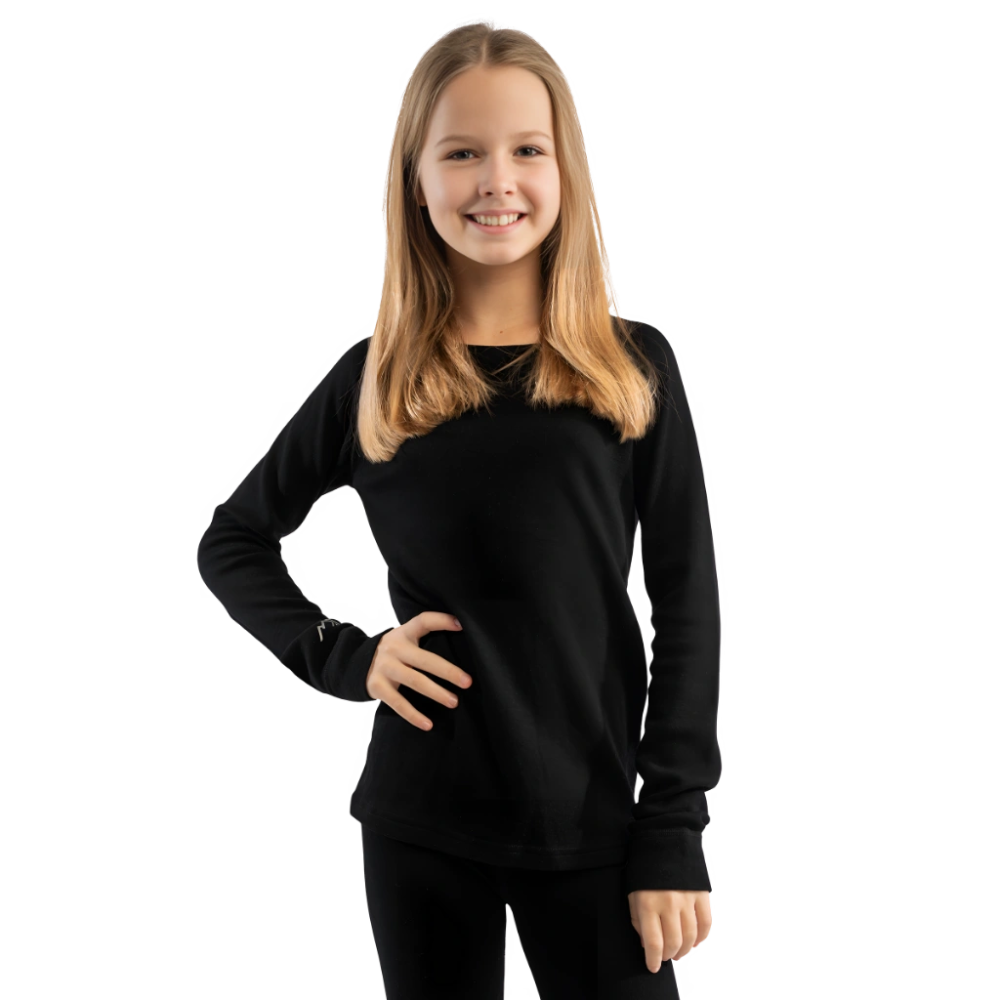
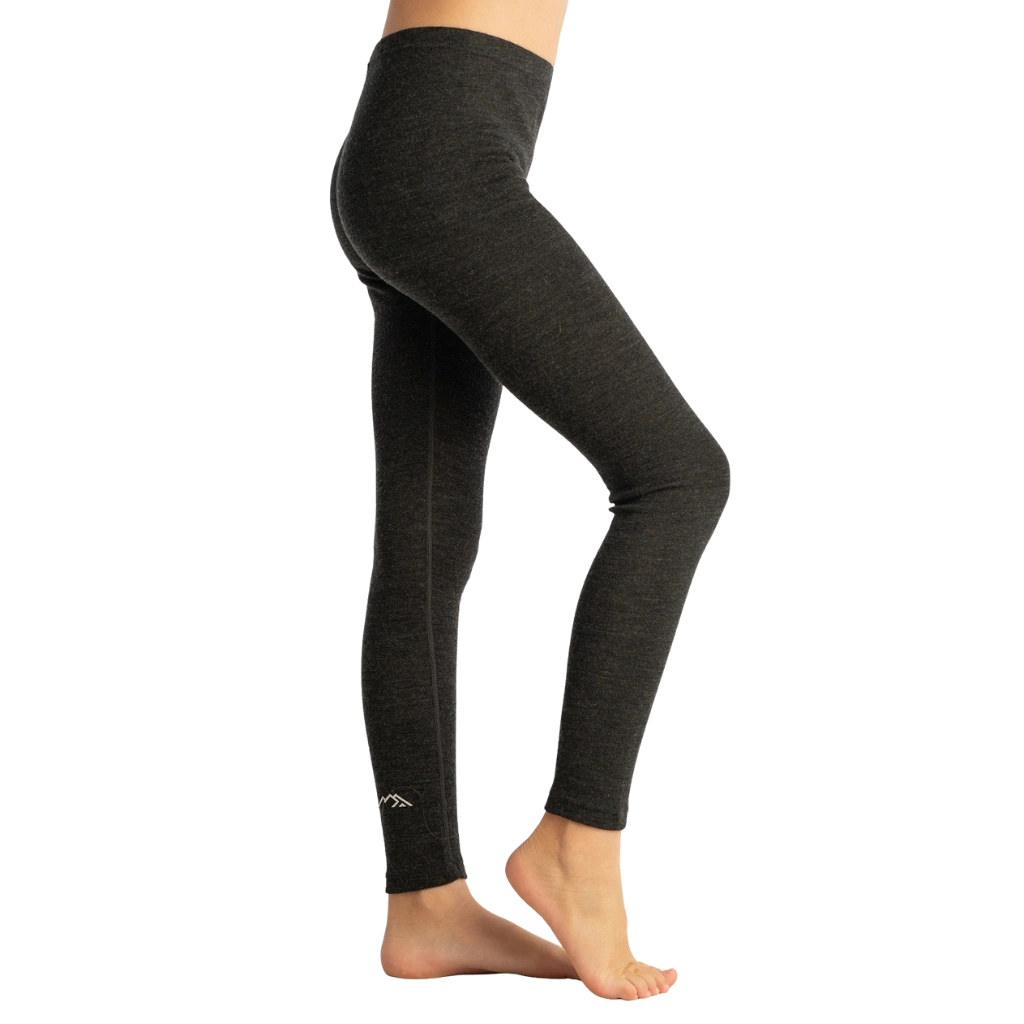
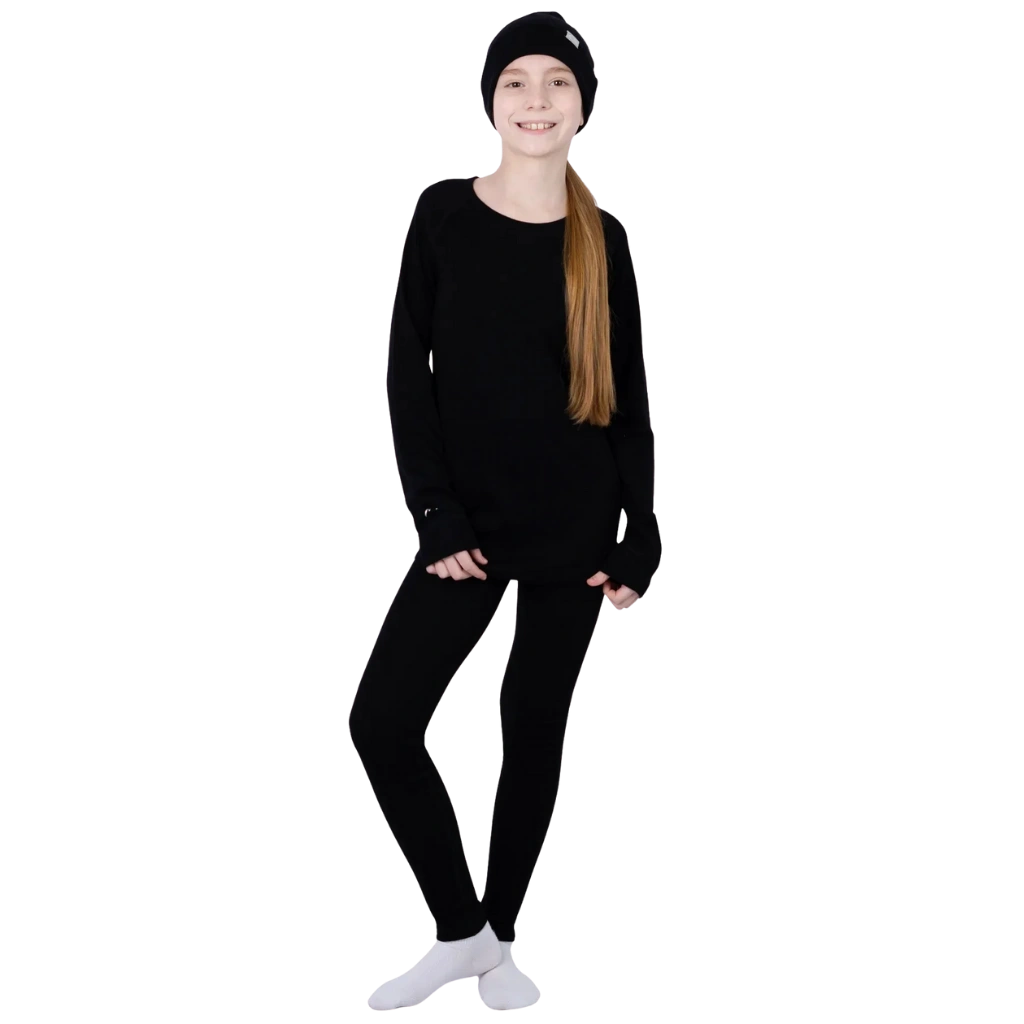
Merino wool is wool from the Merino sheep, spun from fibers much finer than ordinary wool. Fineness is measured in microns: standard wool sits around 25 to 30 microns, while merino runs from about 15 to 22. Merino.tech uses 17.5 micron Australian merino. That single number explains almost everything people notice about the fabric — why it is soft rather than scratchy, why it insulates without bulk, and why it behaves well in heat as well as cold.

What is merino wool made of?
Merino wool is keratin — the same protein family as human hair and nails. Each fiber is covered in microscopic overlapping scales and has a natural wave called crimp. Those two features do most of the work:
- The scales absorb water vapor into the fiber core, so moisture is carried away before it becomes liquid sweat.
- The crimp holds tiny pockets of still air, which is what actually insulates. Air does the warming; the wool holds the air.
Nothing synthetic is added. A merino garment can be 100% wool, though socks are usually blended with nylon and spandex for durability and fit.
Where does merino wool come from?
The Merino breed originated in Spain, and today Australia produces the largest share of the world's superfine merino, which is why most premium merino apparel — ours included — is sourced there.
Wool is a renewable fiber: a sheep is shorn annually and grows the fleece back. It is also biodegradable, breaking down in soil within years rather than centuries.
Why doesn't merino wool itch?
Itch is a mechanical reaction, not an allergy. A fiber stiff enough to resist bending presses into the skin and triggers nerve endings — the prickle response. The finer the fiber, the more easily it bends on contact instead of pressing in.
At 17.5 microns, our merino is fine enough to bend rather than prick. If wool has itched you before, you were wearing coarser wool, not a different material.
What merino wool actually does
| Property | What it means in use |
|---|---|
| Thermoregulation | Works in both directions — warm when cold, cooler than cotton in heat. |
| Moisture management | Absorbs vapor into the fiber; the surface stays dry to the touch. |
| Odor resistance | Traps odor-causing bacteria inside the fiber. Several wears between washes. |
| Warm when wet | Retains meaningful insulation damp, unlike cotton or down. |
| Fire resistance | Self-extinguishes rather than melting onto skin. |
How merino weight is measured
Garments are labeled in GSM — grams per square meter. Higher number, warmer fabric.
- 165-180 — lightweight. T-shirts, hot weather, running.
- 190 — everyday weight.
- 250 — midweight. The most common winter base layer.
- 320 — heavyweight. Deep cold, low activity.
Micron describes how fine the fiber is; GSM describes how much of it is in the fabric. Fineness controls comfort, weight controls warmth. Our GSM weight guide matches each weight to activities and temperatures.
Frequently asked questions
Is merino wool warm in winter and cool in summer?
Yes. It insulates by trapping air and cools by moving moisture as vapor. The same fiber does both, which is why merino works across a wider temperature range than cotton or synthetic.
Is merino wool waterproof?
No, but it stays warm when damp and dries without feeling cold, which is the practical difference outdoors.
Does merino wool shrink?
Only with heat and agitation. Cold wash, gentle cycle, dry flat, and it keeps its shape for years.
Is merino wool ethical?
Shearing is an annual welfare requirement, because an unshorn sheep overheats. The fiber is renewable and biodegradable.
Can people with sensitive skin wear merino?
Usually yes. Most wool discomfort is the prickle of coarse fibers, and at 17.5 microns merino is fine enough not to prick the skin.
Where to start
If you are trying merino for the first time, a pair of socks or a t-shirt is the cheapest way to find out. For winter, the 250 GSM base layer set is where most people land. Once you own it, our care guide shows how to keep it in shape.