
Weight is the most useful number on a merino garment — and the one almost nobody explains. It tells you more about how a layer will actually perform than the colour, the cut or the price tag. Here is what 165, 190, 250 and 320 mean, and how to match them to what you do outside.
The short version
- GSM means grams per square metre — fabric weight, not a warmth rating.
- 165 — hot weather, high effort, travel and everyday wear.
- 190 — the year-round all-rounder most people should start with.
- 250 — the winter base layer: skiing, cold hikes, deep autumn.
- 320 — standing-still cold, expeditions, sub-zero mornings.
- Most wardrobes work best with two weights, not one.
What GSM actually means
GSM stands for grams per square metre: take one square metre of the knitted fabric, weigh it, and that is your number. A 165 GSM jersey weighs 165 grams per square metre; a 320 weighs almost twice as much. More grams mean more fibre in the same space — more insulation, more durability, more structure. Fewer grams mean a fabric that breathes faster, dries quicker and packs smaller.
What GSM does not tell you is how warm you will feel. That depends on fit, wind, what you layer over the top, and — most of all — how hard you are working. This is where merino behaves differently from synthetics: because the fibre moves moisture vapour away before it turns into cold, clammy sweat, the same garment can keep you comfortable across a much wider band of conditions. GSM shifts where that band sits.
One number people confuse it with: micron. GSM is fabric weight; micron is fibre thickness — how fine each individual strand is. Our merino measures 17.5 micron, which is what makes a garment feel soft rather than scratchy. A heavyweight 320 made from that same fibre is not itchier than a 165. It is just thicker.
The four weights at a glance
| Weight | Feels like | Built for | Rough comfort range* |
|---|---|---|---|
|
165 Lightweight |
A fine summer tee | Warm-weather hiking, running, travel, everyday | Warm days and high-output efforts |
|
190 All-round |
A standard t-shirt | Year-round wear, shoulder seasons, layering | Cool mornings through mild afternoons |
|
250 Midweight |
Substantial, softly dense | Winter base layer, skiing, cold-weather hiking | Cold days, under a shell or mid-layer |
|
320 Heavyweight |
Thick, close to a light sweatshirt | Static cold, camp, expedition, deep winter | Serious cold, especially when you stop moving |
*Guidance, not a promise — your own comfort range depends on effort level, wind, layering and how warm you naturally run. You will also see 200 and 260 in some of our styles: think of them as the fine-tuning steps between the four main weights above.
165 — the lightweight
This is merino at its most invisible. A 165 tee weighs almost nothing in a pack, dries fast after a sweaty climb, and stays fresh long enough that a week of travel needs two shirts rather than seven. It is the weight that converts people who assumed wool was a winter-only fabric.
Choose it for: summer trails, running, hot-climate travel, office and everyday wear, and as a next-to-skin layer under something warmer when you are working hard.
Think twice if: you are mostly standing still in the cold — at that point lightweight fabric has little insulation to offer on its own.
Shop men's lightweight →
Shop women's lightweight →

190 — the year-round universal
If you only own one merino weight, this is the one. A 190 has enough substance to feel like a proper garment and enough breathability to keep working when the temperature climbs. It is the weight that handles a cold start and a warm finish on the same walk, then goes to dinner without looking like technical kit.
Choose it for: spring and autumn as a standalone layer, winter as a base under a mid-layer, and the whole year if you want one shirt that covers most of your life.
Shop men's 190 →
Shop women's 190 →
250 — the winter workhorse
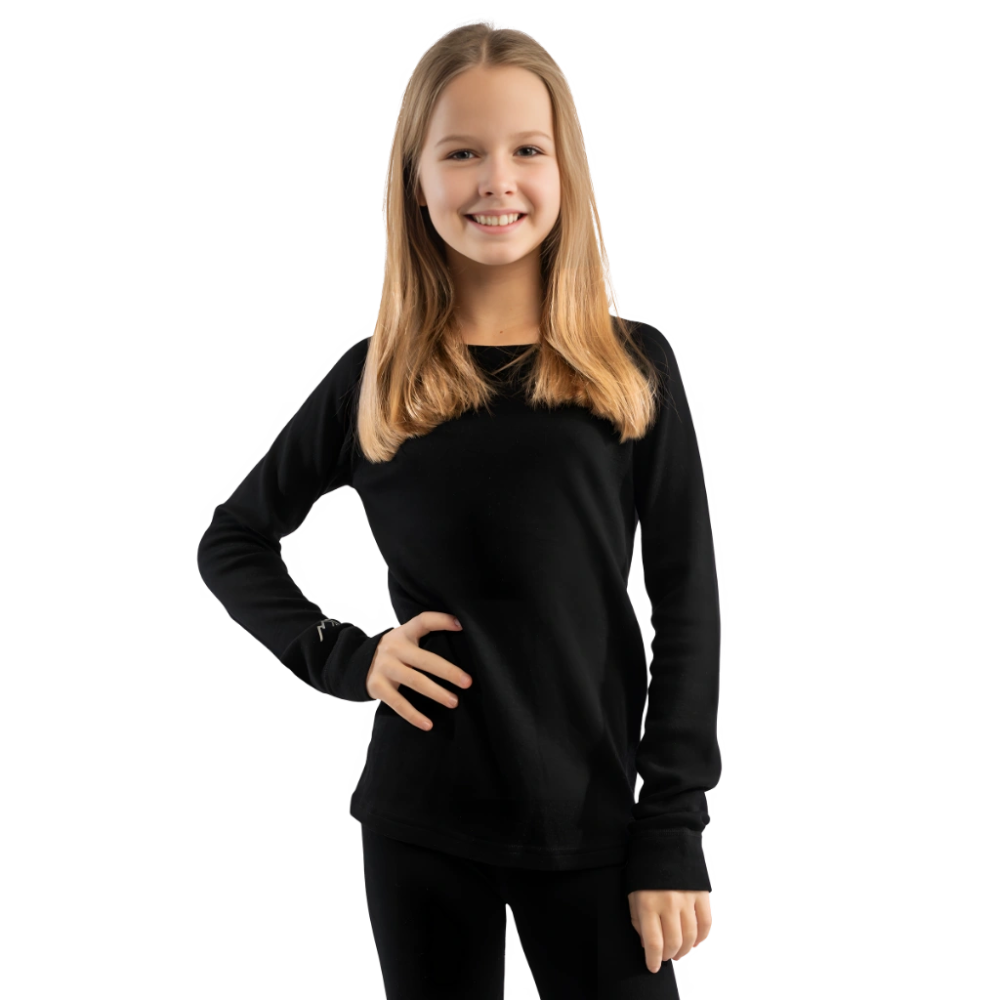
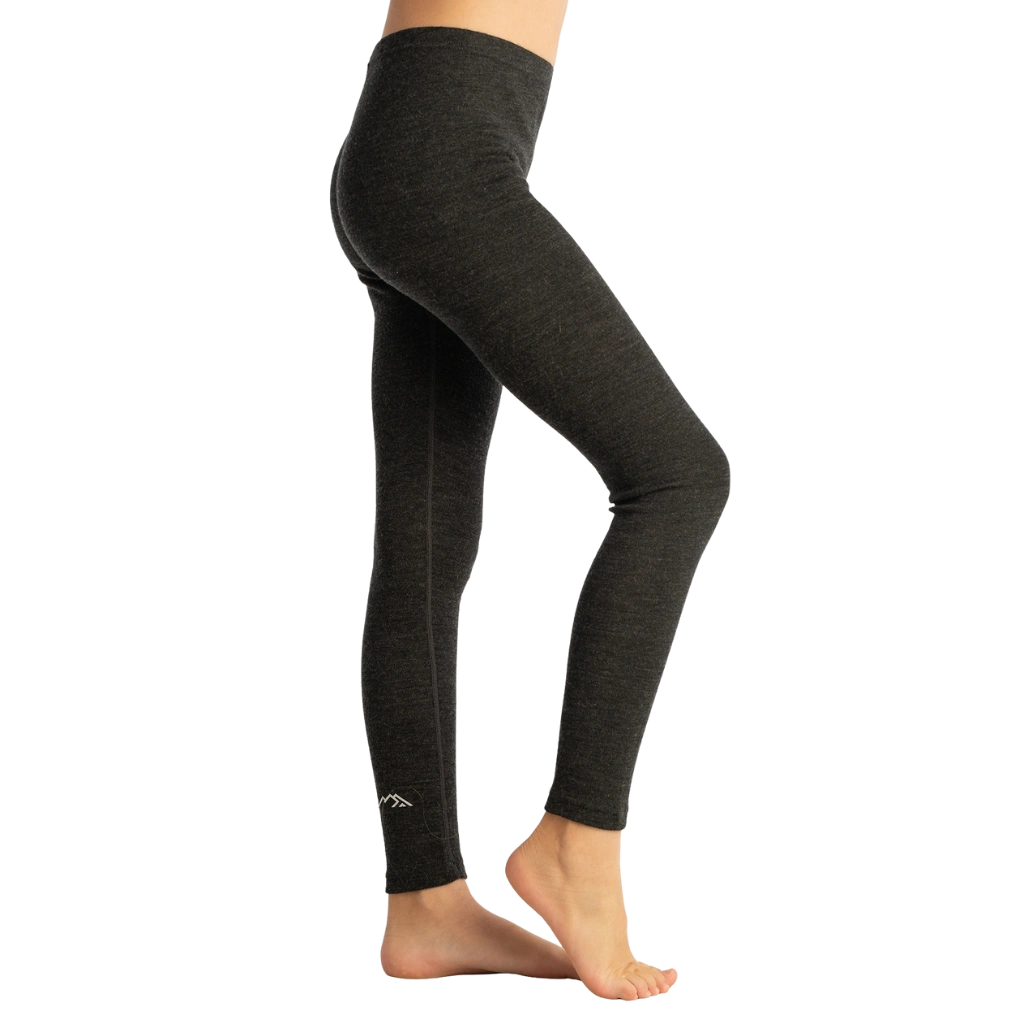
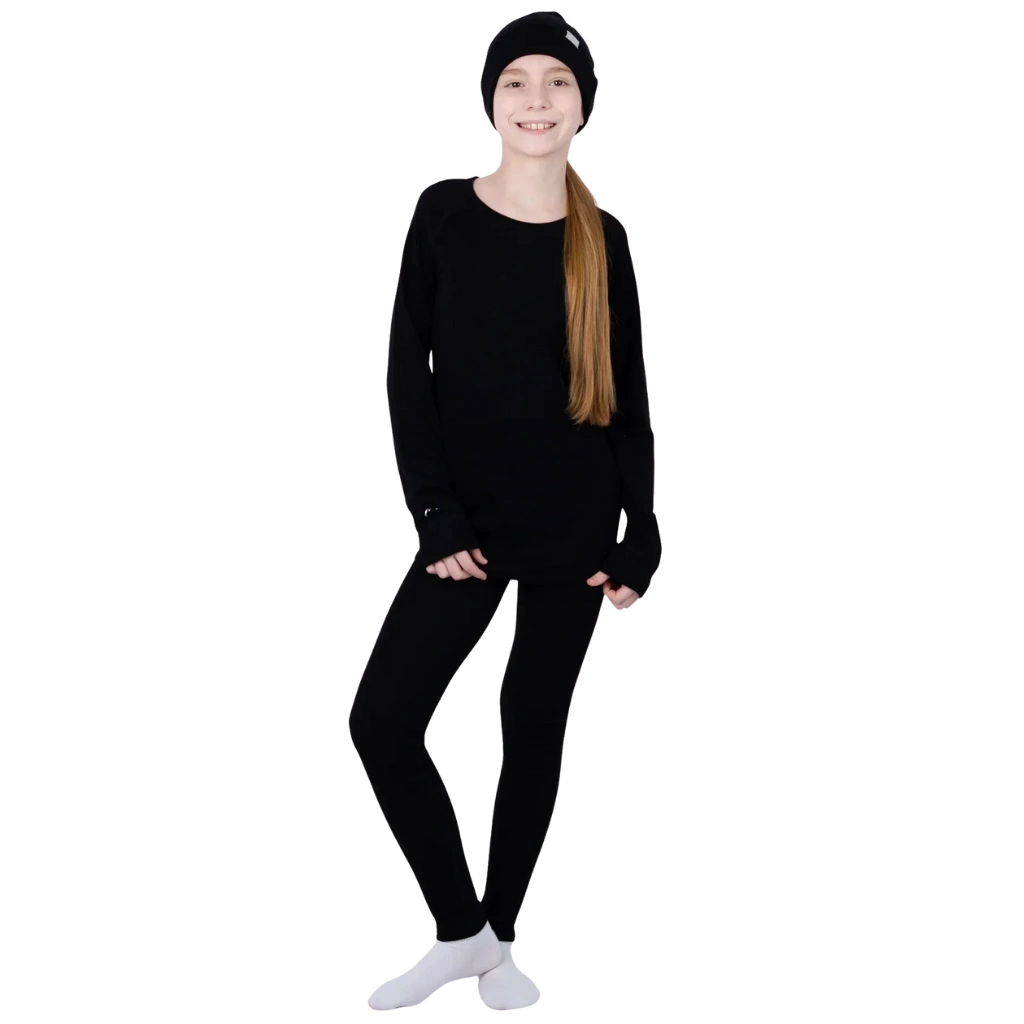
At 250 the fabric stops being a t-shirt and starts being equipment. This is the classic winter base layer weight: warm enough to matter under a ski shell, still breathable enough that you are not soaked at the bottom of the first run. It is also the weight where sets start making sense — top and bottom, matched, so your legs are not the weak link on a cold day.
Choose it for: skiing and snowboarding, winter hiking, cold-weather work outdoors, and anyone who runs cold in autumn.
Shop men's 250 base layer sets →
Shop women's 250 base layer sets →
320 — the heavyweight
The 320 exists for a specific problem: cold that arrives when you stop moving. Ice fishing, camp at altitude, a winter morning spent waiting rather than walking, a house that never quite gets warm. It is thick, it holds heat like a light sweatshirt, and it will be too much for a hard uphill effort — which is exactly the point.
Choose it for: static cold, expedition layering, deep winter, and anyone who is chronically cold and has given up on synthetics.
Shop men's heavyweight →
Shop women's heavyweight →

Choosing your weight: three questions
1. How hard will you be working?
The higher your output, the lighter you should go. Heat you generate yourself is heat you do not need from fabric — and a layer that is too warm turns into a sweat problem.
2. Moving, or standing still?
Movement is warmth. Standing at a trailhead, sitting in a hide, watching a match in November — that is where the heavier weights earn their keep.
3. Is anything going over the top?
A base layer under a mid-layer and a shell does a different job to a shirt worn on its own. Layered, choose for moisture management first and let the outer layers hold the heat.
The two-weight system that covers most of the year
You do not need all four. For most people in most of the US, a 190 for three seasons plus a 250 set for winter covers almost everything: the 190 handles spring, summer evenings and autumn, and doubles as a base under the 250 when it turns properly cold. Add a 165 if you live somewhere hot or travel constantly; add a 320 if your winter involves standing still outdoors.
Build your base layer set
Pick your top, pick your bottom, pick your weight — and get a matched system instead of a guess.
Three mistakes worth avoiding
Buying the heaviest weight for the coldest day. The coldest day is rarely the hardest day. If you overheat on the way up, you will be cold at the top — wet fabric against skin is what actually makes people miserable in winter.
Sizing a base layer like a jumper. A base layer works by sitting close to the skin, where it can move moisture. Loose is not more comfortable; it is just slower.
Judging weight by feel in a warm room. Everything feels wearable indoors. Choose by the conditions you actually go out in, not by what feels cosy while you shop.
Frequently asked questions
What GSM is best for skiing?
250 for most skiers, most days — enough warmth under a shell without turning the first descent into a sauna. Go 320 if you feel the cold badly or spend long spells stationary; drop to 190 if you tour uphill or ski in mild spring conditions.
Is 165 warm enough for winter?
On its own, no. As the next-to-skin layer in a system — with a 250 over it and a shell on top — it works very well, especially if you are working hard and want moisture moved rather than held.
Does a higher GSM mean itchier wool?
No. Itch comes from coarse fibres, not from fabric weight. Our garments are made from 100% Australian merino at 17.5 micron, and a 320 is simply a thicker knit of the same soft fibre as a 165.
What is the difference between 190 and 200?
Very little in feel — it is a fine-tuning step rather than a different category. Choose by style, cut and colour rather than agonising over ten grams.
How many merino layers do I actually need?
Two or three garments go further than you would expect, because merino resists odour and can be worn several times between washes. A 190 top, a 250 set for winter, and a couple of pairs of merino socks will handle most of a year outdoors.
Shop by weight
Every piece we make is 100% Australian merino — thermoregulating, odour-resistant, and soft enough to wear next to the skin all day.
All men's →
All women's →
Kids →
Merino hiking socks →
How to wash merino wool →