
Ask experienced hikers what they would not compromise on and socks come up before boots. Blisters, cold feet and the smell at the end of day three all trace back to the same choice of fabric. This is why merino wool socks have become standard kit for anyone who walks a long way.
Why cotton causes blisters and wool does not
A blister needs three things: moisture, friction and heat. Cotton delivers all three. It absorbs sweat and holds it, the damp fabric softens skin, and softened skin tears under friction. That is the mechanism — not the boot, not the distance.
Merino moves moisture as vapour before it becomes liquid. The foot stays drier, the skin stays firm, and the sock keeps its cushioning instead of compacting into a damp pad. This is the single biggest reason to switch, and most people notice it on the first long day.
What is actually in a hiking sock
Pure wool would be soft but would not survive the wear a sock takes at the heel and toe. Our merino wool hiking socks blend 51% merino with 36% polyester, 10% nylon and 3% spandex. The merino does the thermal and odour work; the synthetics hold the shape of the arch and heel through hundreds of miles and hundreds of washes.
That blend is deliberate. A sock marketed as 100% wool either wears through quickly or is too thick to fit a boot properly.
Choosing socks for what you actually do
- Hiking and trekking. Cushioned underfoot with reinforced heel and toe. This is the default for day hikes and multi-day routes where socks for trekking take the most abuse.
- Skiing and snowboarding. Merino wool ski socks need to be thin enough to fit a hard boot without pressure points, yet warm enough for a chairlift. Bulk is the enemy inside a ski boot — warmth comes from the fibre, not the thickness.
- Everyday and work. A lower-profile knit in the same wool. The odour resistance matters more here than the cushioning.
- Running. The lightest option, where moisture management matters more than insulation.
Why merino stays fresh for days
Wool fibres trap odour-causing bacteria inside the structure rather than releasing them into the air. On a multi-day trek this is not a luxury — it is the difference between carrying four pairs and carrying two. Many long-distance hikers rotate two pairs for a week, airing one while wearing the other.
How to wash merino wool socks
Socks take more washing than anything else in a merino wardrobe, and heat is the only thing that damages them.
- Turn inside out — most of the wear and the sweat is on the inside.
- Machine wash cold on a gentle cycle with mild detergent.
- Lay flat to dry. The dryer is what shrinks wool, because heat and agitation lock the fibre scales together permanently.
- No fabric softener. It coats the fibre and kills the moisture management you bought the socks for.
Common questions
Are merino wool socks too warm for summer?
No. Merino regulates temperature in both directions and moves moisture as vapour, so the same sock that insulates in winter runs cooler than cotton in heat.
Do wool socks shrink?
Only with heat. Cold wash and flat drying prevent it entirely.
How many pairs do I need?
Most people start with a pack of 3 and move to a pack of 6 on the second order, because the cost per pair drops and you stop planning laundry around socks.
Are merino wool socks for women different?
Same wool and same construction, sized for narrower feet. The performance is identical.
Where to start
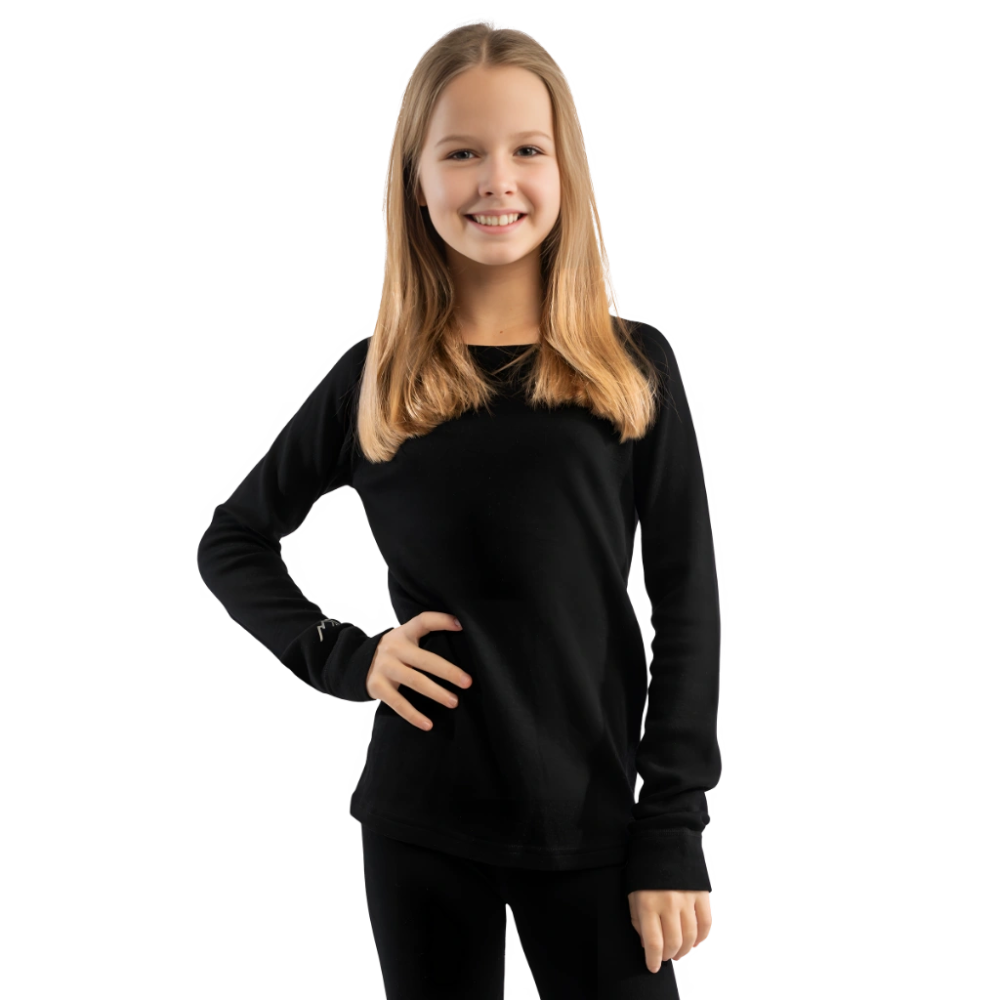
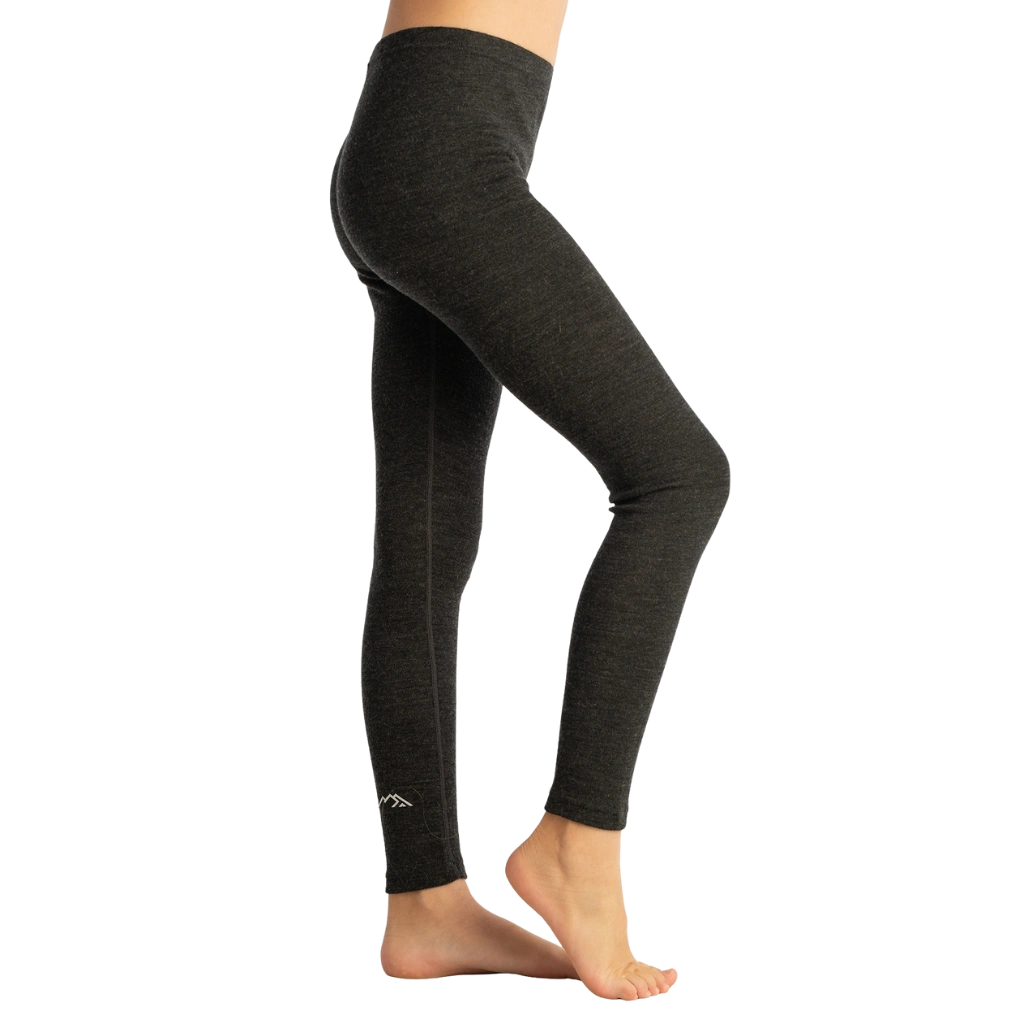
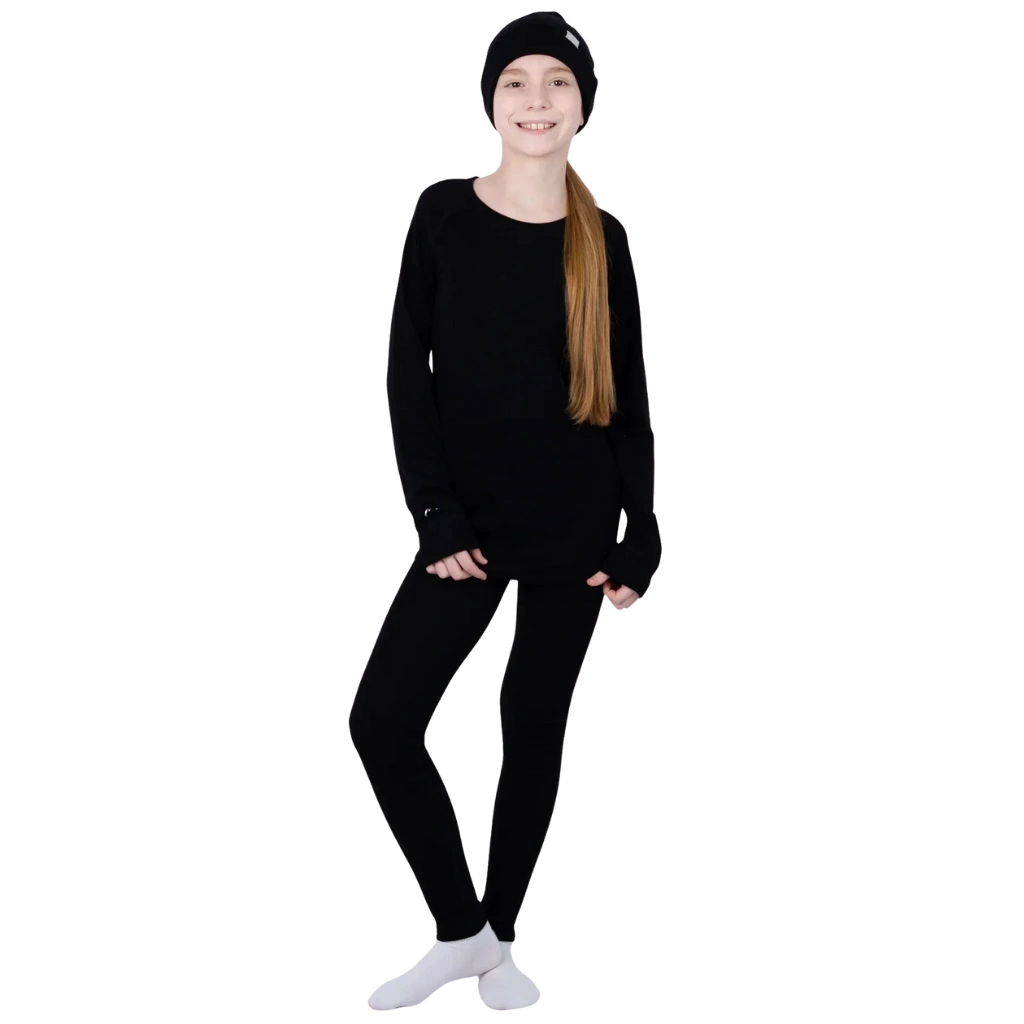
Browse the full range of merino wool socks in packs of 2, 3 and 6, or pair them with a base layer set for winter walking.