

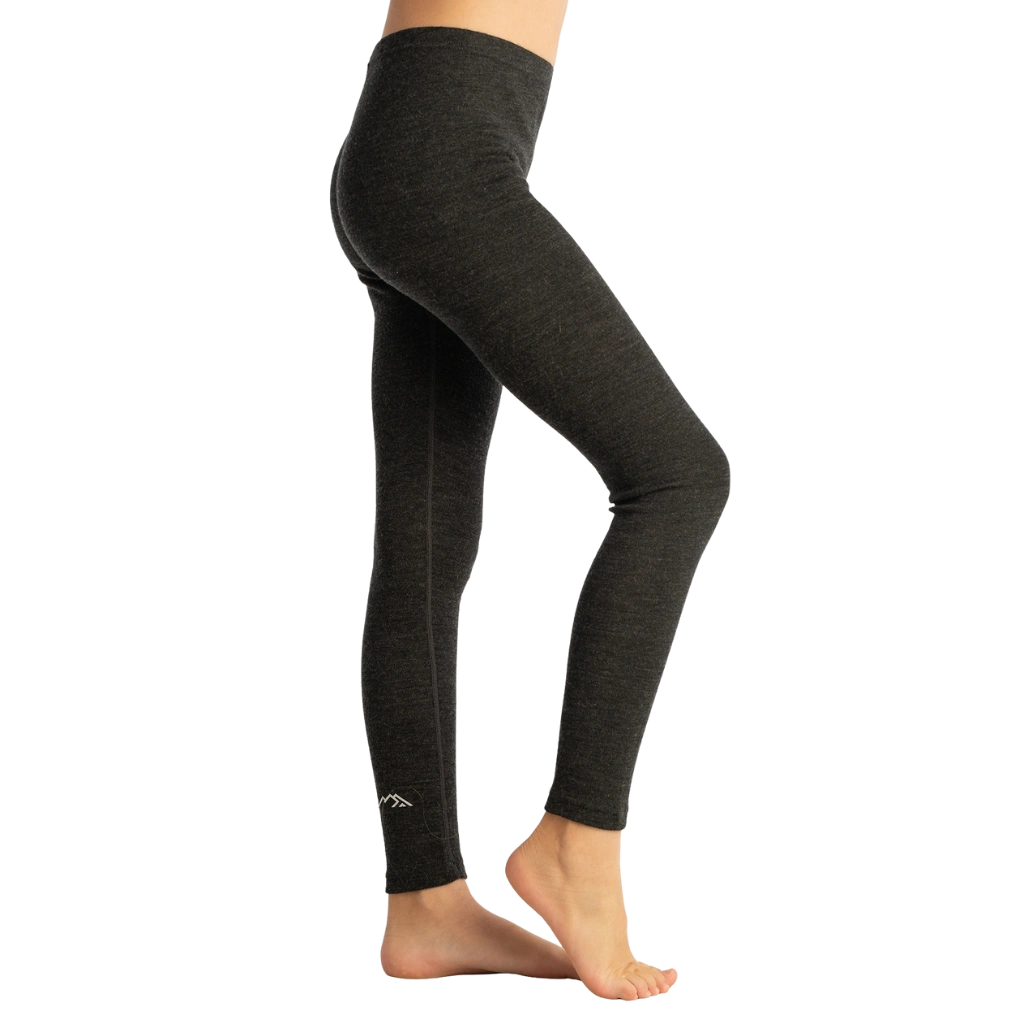


When you wear merino properly, you wear it a lot — hiking, travelling, sleeping, chasing children around. Eventually hems go thin, elbows wear through, and sooner or later something catches on a knife or a branch.
Before that piece goes in the bin, it is worth knowing that merino is one of the easiest fabrics to repurpose. It felts with nothing more than hot water and friction, it does not shed plastic the way synthetic craft felt does, and offcuts stay fresh in storage because the fibre resists odour.
Why merino scraps work better than craft felt
- It felts naturally — hot water and rubbing bind the fibres without glue or stitching.
- It is soft enough for anything children will handle.
- It resists odour, so decorations stored for a year come out fresh.
- It biodegrades. Synthetic felt sheds microplastic in the house and does not break down after.
Seven things to make from worn merino
1. Felted balls and shapes
Take scraps from sleeves, roll them into small balls, dip in hot water and rub gently between your palms until the fibres bind. Add a contrasting scrap for a stem and you have a decoration that lasts seasons. This is the simplest introduction to felting and needs no equipment at all.
2. Cut-out garlands
Worn hems cut into simple silhouettes and threaded on a string. Wool holds a cut edge without fraying the way woven cotton does, so there is no hemming.
3. Lapel pins and badges
Small shapes cut from offcuts with a pin backing glued on. They clip to backpacks and jackets and survive being sat on, which plastic badges do not.
4. Pet toys
Loose fibres from old base layer bottoms rolled and tied tight. Cats treat them as prey. Keep any essential oils well away — several are toxic to cats.
5. Mug cosies
Longer strips wrapped around a mug. Reusable, washable, and safe for small hands holding something hot.
6. Keychains
Offcuts from a tee or long sleeve, stitched with a simple face or shape and attached to a ring. Light enough that they do not weigh a pocket down.
7. Patch material, filling and stuffing
When a hole is genuinely past repair, the rest of the garment is still useful. Trim clean edges and keep the fabric for patching other merino pieces, or shred it for pillow filling and soft-toy stuffing. Nothing has to be thrown away.
Frequently asked questions
What can I do with old merino wool clothes?
Repair them first if the damage is small — wool takes a patch well. Past that, offcuts felt easily into decorations, pet toys and badges, and the remainder works as patch material or stuffing.
Can merino wool be recycled?
Yes. Wool is one of the most recycled apparel fibres, and it is also biodegradable, so even unusable scraps break down in soil rather than persisting as microplastic.
How do you felt merino wool at home?
Hot water plus friction. Dip the scrap, rub it between your palms, and the fibre scales interlock. No machine or needle required for simple shapes.
Is it worth repairing a merino base layer?
Usually yes. A small hole in the body of a garment can be darned or patched with scrap from another piece, and the repair holds because the fibres felt together.
When it really is finished
If a favourite piece has genuinely given up, the replacement is easy enough. Browse the autumn collection, or go straight to men's, women's and kids' merino.
And if you want the current one to last longer, most damage starts in the wash. Our care guide covers what actually shortens a garment's life.