

If you buy one merino layer for winter, it will almost certainly be a 250. It is the weight that covers the widest slice of the cold season, and it is the one customers come back for after starting with something lighter. Here is why, and how to know whether it is the right choice for you.
What 250 actually means
GSM stands for grams per square metre — the weight of the fabric, not the thickness of the garment. Higher number, warmer fabric. That single figure is the entire system for choosing merino.
- 165 and 180 — lightweight. Running, mild days, layering under a shirt.
- 200 — the everyday weight. Commuting, work, a layer under a jacket.
- 250 — midweight. First frost through midwinter, whether you are moving or standing still.
- 320 — heavyweight. Deep cold with little movement: ice fishing, chairlifts, outdoor work.
Why 250 covers the most days
Most winter activity is not one temperature. You start cold, warm up climbing, cool down at the top, warm up again walking out. A 165 cannot keep you warm at the stops; a 320 overheats you on the climb.
A merino wool long sleeve 250 sits where the fibre does its best work: enough mass to insulate when you stop, enough breathability to shed heat when you move. Merino regulates in both directions rather than simply trapping warmth, which is what separates it from fleece.
What it does that synthetic does not
- Insulates when damp. Wool keeps a meaningful share of its warmth wet. Synthetic and cotton do not, and that matters on a long day.
- Moves moisture as vapour. Sweat leaves before it becomes liquid, so the layer does not go clammy under a shell.
- Resists odour. Bacteria are trapped inside the fibre. Three or more wears between washes is normal, which is why one 250 replaces several synthetic tops on a trip.
- Does not itch. At 17.5 microns the fibre bends against skin rather than pressing into it. Prickle starts above roughly 22 microns.
How to layer a 250
Next to skin, always. The base layer only works if nothing sits between it and you — a cotton tee underneath cancels out the moisture management entirely.
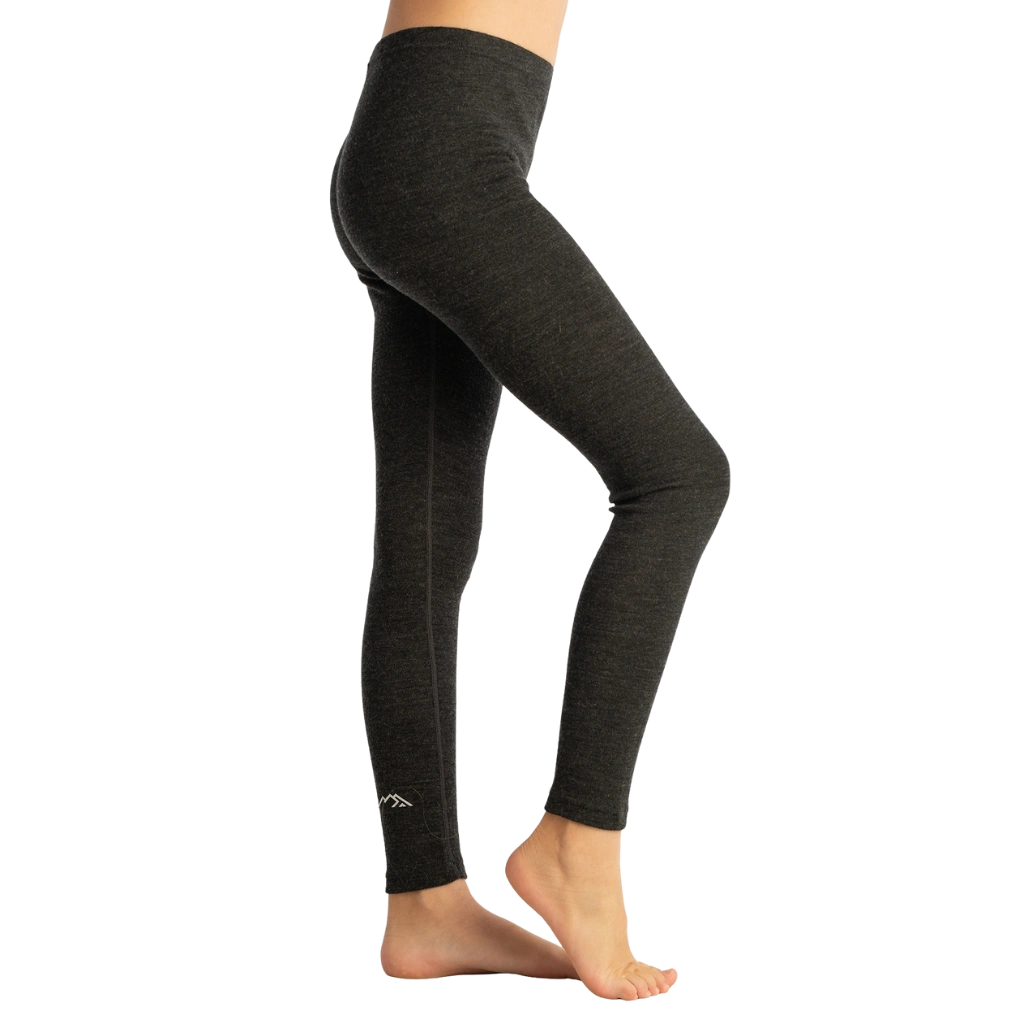
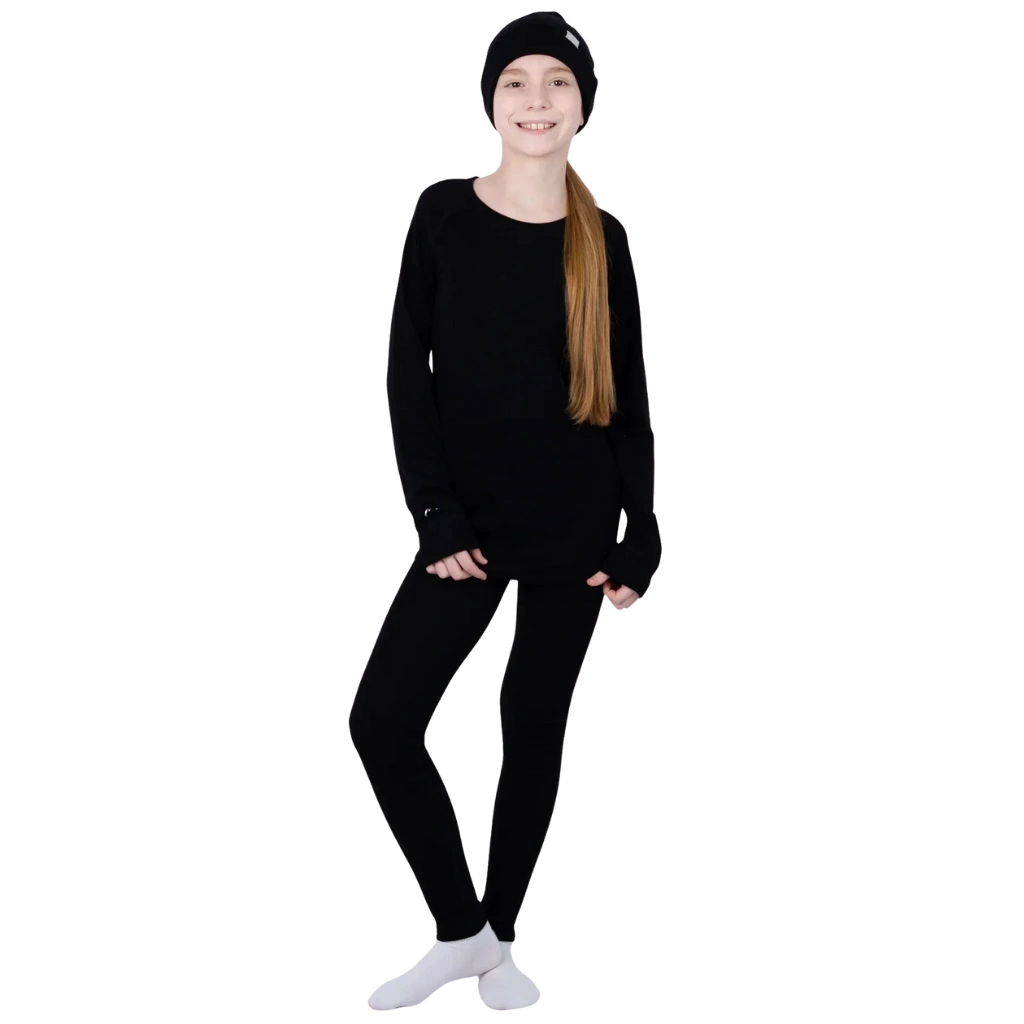
Over it, add insulation as conditions demand: a merino quarter zip for shoulder season, a down or synthetic midlayer for deep cold, a shell for wind and wet. For the lower half, pair with 250 pants or buy the matched set so both halves insulate equally and there is no cold gap at the waist.
Fit
A base layer should be close without compression. Loose fabric leaves air gaps that stop the wicking chain; tight fabric restricts movement and loses the insulating air the fibre holds. If you are between sizes, take the smaller one for active use and the larger for wearing as a standalone top.
Care
- Turn inside out, machine wash cold on a gentle cycle with mild detergent.
- Lay flat to dry. Heat and agitation are what shrink wool — skip the dryer entirely.
- No fabric softener, no bleach.
Common questions
Is 250 too warm for autumn?
For most people, no — it is the weight that carries from the first frost onward. If you run hot or move fast, start at 165.
Can I wear it on its own?
Yes. A 250 long sleeve is finished enough to wear as a top rather than only as an under-layer.
250 or a half zip?
The zip adds a vent at the collar, which is useful if you alternate between climbing and standing. Same fabric, more control.
How long does it last?
Years, if you keep it out of the dryer. Heat is the only thing that causes permanent damage.
Where to start
Browse men's 250 long sleeves, women's 250 long sleeves, or the matched base layer sets if you want top and bottom in one weight.