

There is a silence you only find on a mountain ridge at sunrise. For people who live for the trail, that connection to the outdoors is not just a hobby — it comes with a responsibility. So it is worth looking past the technical specs of outdoor apparel and asking a simpler question: does your gear leave a trace?
Choosing merino wool clothing is not only about moisture management and odour resistance. It is one of the most direct ways to cut the environmental cost of what you wear outdoors.

The invisible problem: synthetics and microplastics
Most modern outdoor gear is built from petroleum-based synthetics — polyester, nylon, elastane. They are durable and cheap, and they carry a hidden cost. Every time a synthetic base layer goes through the wash it sheds thousands of microscopic plastic fibres into the water system.
- They do not get filtered out. Microfibres pass through treatment plants and end up in rivers, oceans and food chains.
- They do not go away. A synthetic jacket can persist in landfill for centuries.

Why merino is the more durable choice
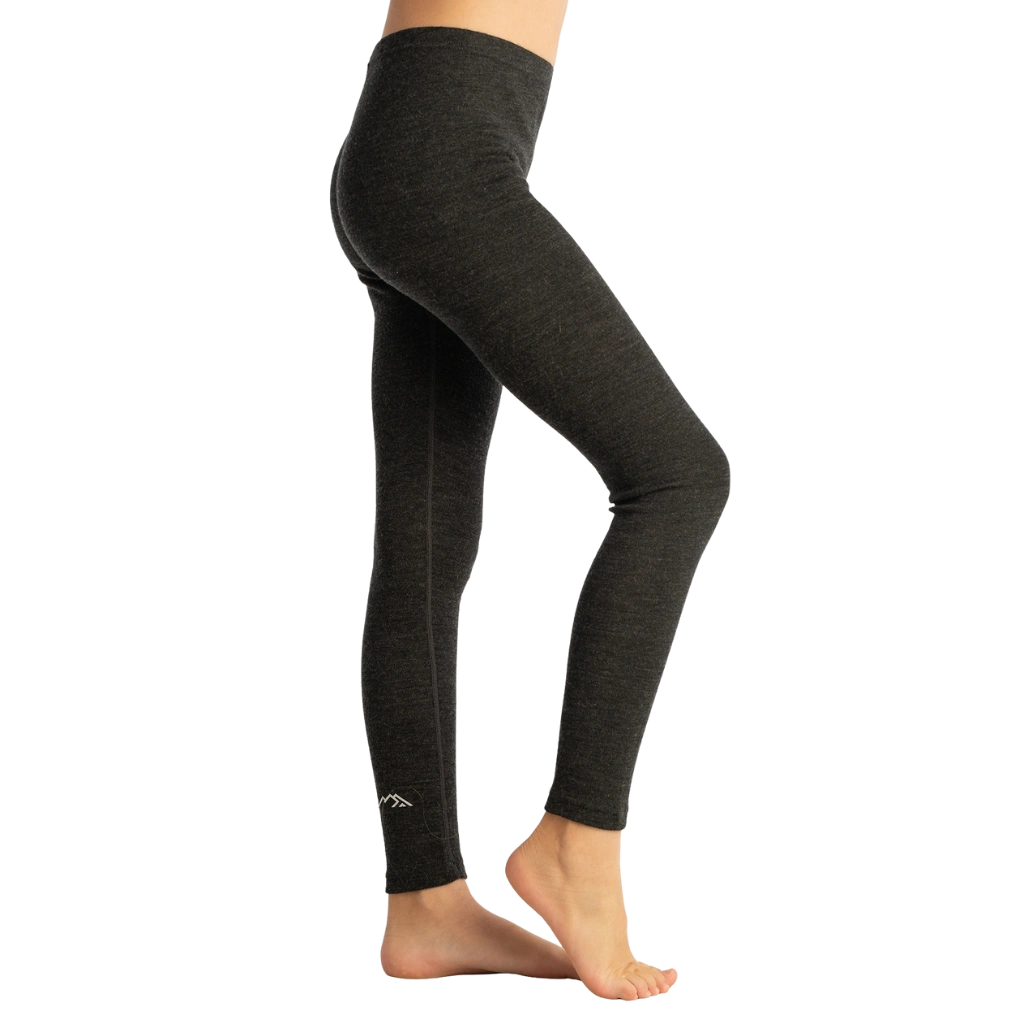
Performance should not come at the planet's expense, and with wool it usually does not have to. Everything we make is 100% Australian merino at 17.5 micron, in weights from 165 to 320 GSM — from lightweight shirts to heavyweight base layers.
The sustainability argument is not only about the fibre. It is about how long a garment lasts and how often it needs washing. A merino layer that is worn three or four times between washes, and that keeps its shape for years, simply consumes less — less water, less detergent, fewer replacements. Buying a merino hoodie that survives five winters beats buying a synthetic one every season.
Three habits that make the difference
- Wash less, air more. Merino does not hold odour, so hanging a garment overnight usually resets it. Every skipped wash saves water and slows wear.
- Layer instead of buying seasonally. A versatile merino base layer set covers most of the year, which means fewer garments doing more work.
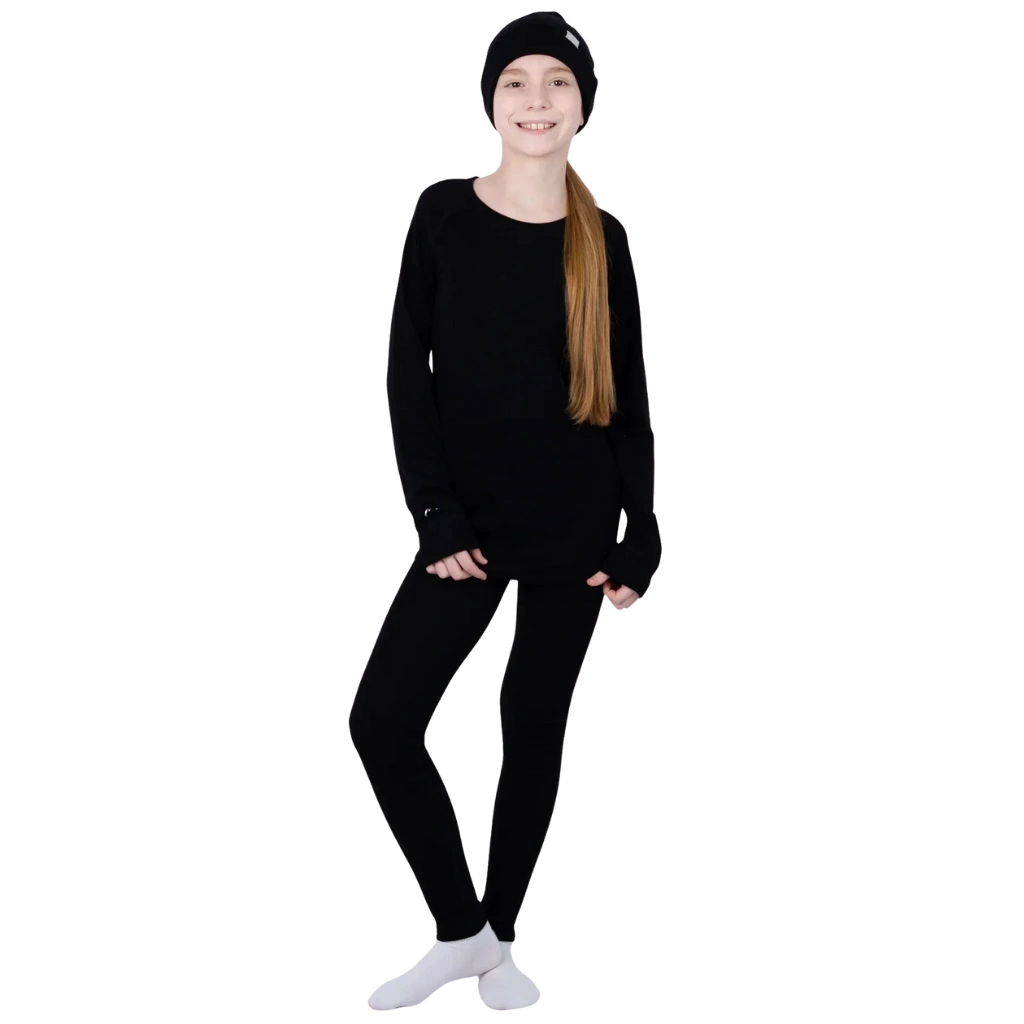
- Start early. Outfitting children in merino rather than synthetic fleece avoids microfibre shedding from the start — and survives the laundry pile better.
Frequently asked questions
Is merino wool biodegradable?
Yes. Merino is a protein fibre, and in soil it breaks down in as little as twelve months, returning nitrogen to the ground. Synthetic fabrics do not break down in any comparable timeframe.
Do merino clothes shed microplastics?
No. Microplastic shedding comes from petroleum-based fibres such as polyester and nylon. A 100% merino garment sheds natural fibre that biodegrades.
Is wool more sustainable than synthetic fleece?
On fibre origin and end of life, clearly so: wool is renewable and biodegradable, fleece is neither. The bigger factor is lifespan — a garment worn for years and washed less often has a far lower footprint than one replaced every season.
How do I make my merino last longer?
Cold wash, gentle cycle, no softener, lay flat to dry, and wash only when it actually needs it. The full method is in our care guide.
The trail ahead
Every summit is a reminder of why these places are worth protecting. Whether it is a single merino beanie or a full kit for a thru-hike, the gear you choose is part of that.