

There is something timeless about casting a line into the water at first light, breathing in cold morning air and waiting for that first tug. The catch is that sunrise on the water is also the coldest part of the day, and what you wear decides whether you stay out for it.
Merino wool is unusually well suited to this. Lightweight, thermoregulating and warm even when damp, it handles the swing from a freezing dawn to a warm afternoon without a change of clothes.
Why merino wool works for fishing and hunting
Not all base layers behave the same in cold, wet conditions. Merino has several specific advantages over synthetics:
- Thermoregulation. Warm on a cold morning, cool by the afternoon sun. The fibre buffers change rather than only insulating.
- Moisture moved as vapour. Sweat, spray and rain do not leave you clammy, and wool keeps insulating even when damp — the property that matters most on the water.
- Natural scent control. Merino traps odour-causing bacteria inside the fibre. For hunting that is a practical advantage, not a comfort feature.
- Soft next to skin. At 17.5 micron the fibre sits below the threshold where wool starts to prickle, so it can be worn against bare skin all day.
- Holds its shape. Natural crimp gives stretch and recovery without heavy elastane.
Thermal base layers for the water

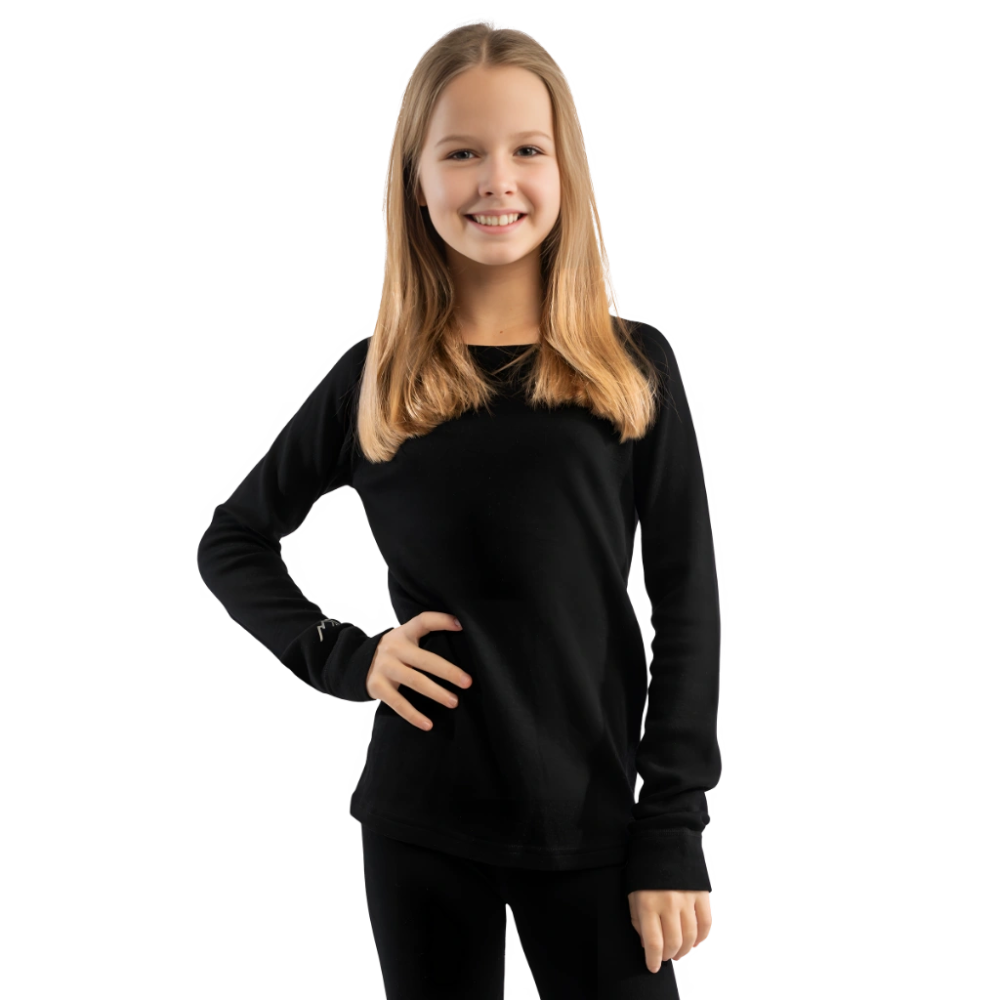
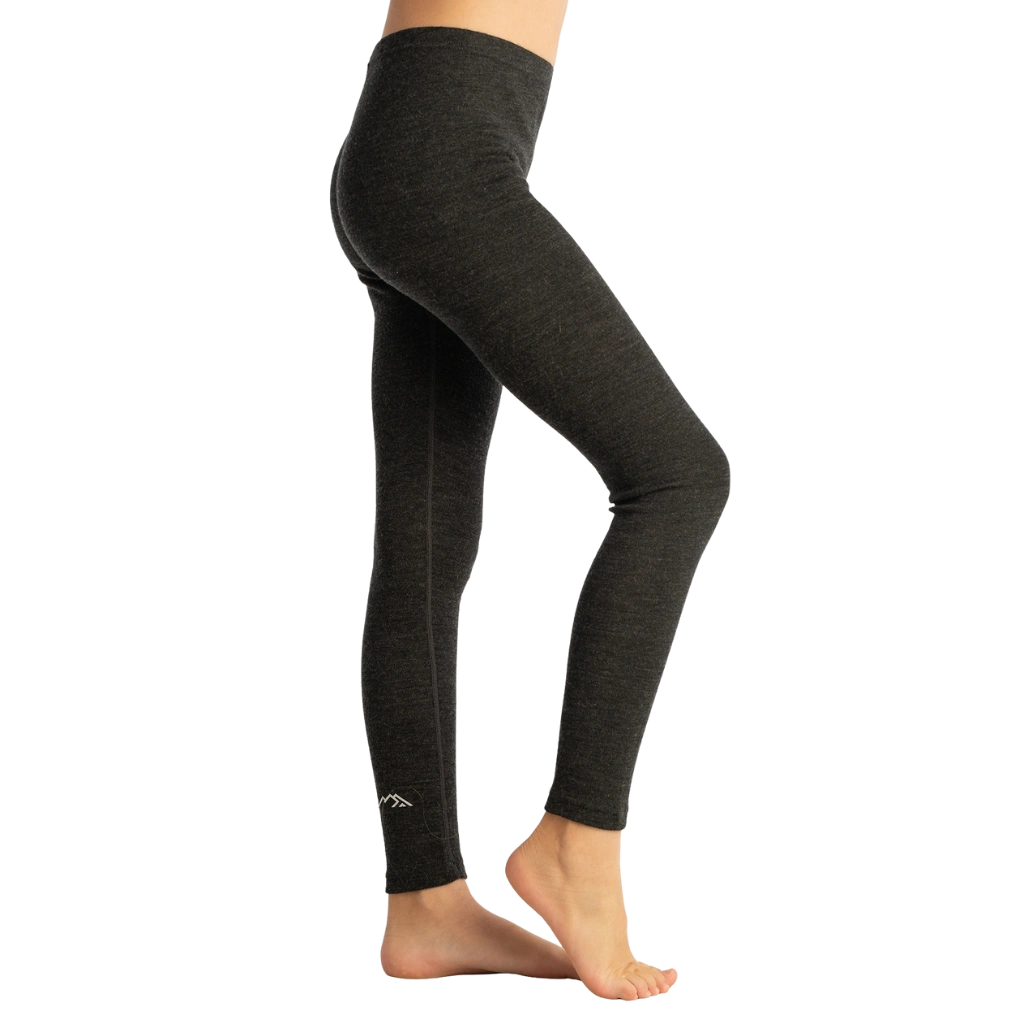
For cold-weather anglers and hunters, these layers give warmth without bulk. Whether you are tracking or waiting for a bite, a 250 GSM base layer covers the temperature range of a full day outdoors, and a 320 takes over when you are sitting still in real cold.
Long sleeves for sun, wind and insects
A merino long sleeve does more than keep you warm: lightweight fabrics carry a UPF rating of 25, and covering your arms is the simplest defence against both sunburn and bites on a long day out. Soft, durable and temperature-regulating, it suits unpredictable weather better than a cotton shirt.
Accessories for all-day warmth
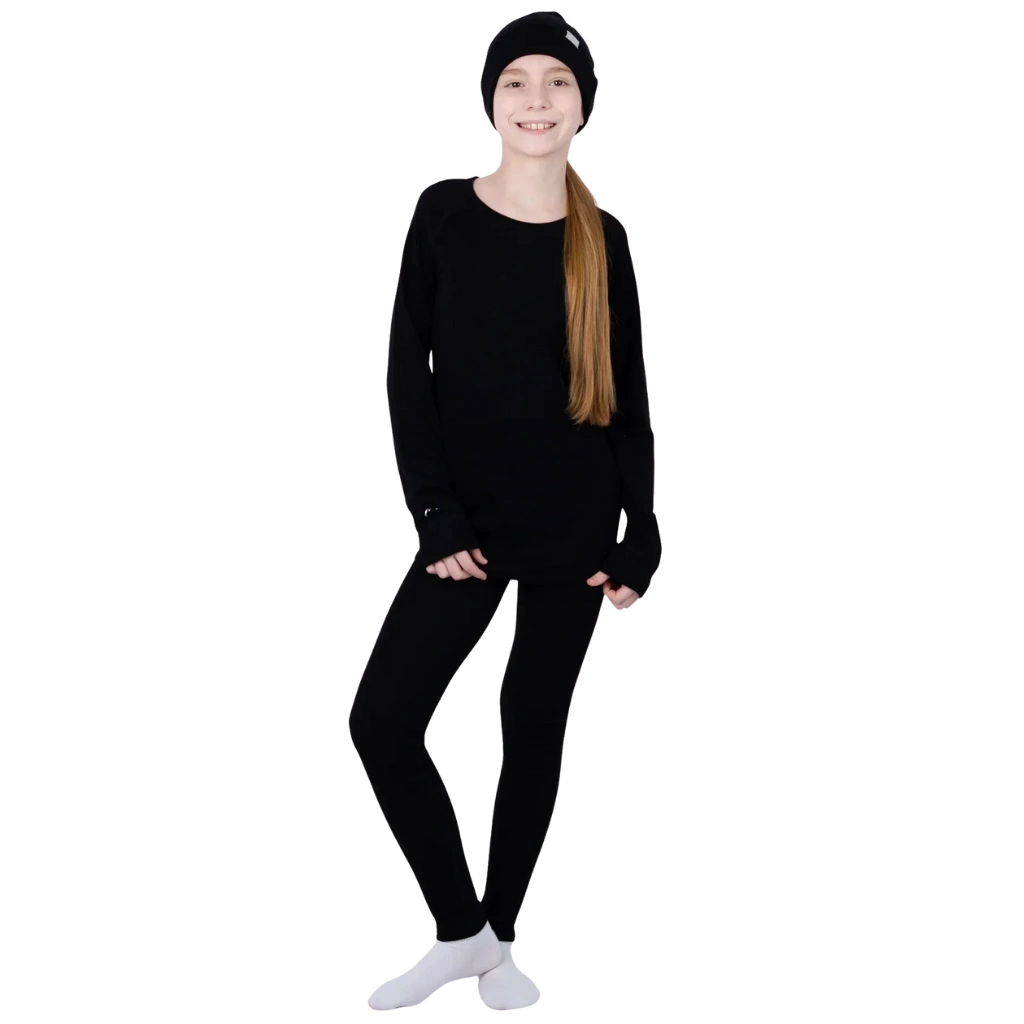
Finish with a merino beanie or a neck gaiter. These are the cheapest warmth you can buy, because most heat leaves through an uncovered head and neck, and merino does not itch the forehead the way acrylic does.
Merino against synthetic: the honest comparison
| Feature | Merino wool | Synthetic |
|---|---|---|
| Thermoregulation | Adjusts in both directions | Often traps heat or chills |
| Drying speed | Slower to dry, but does not feel cold while damp | Dries faster, can feel clammy |
| Warmth when wet | Keeps a meaningful share of insulation | Loses most of it |
| Odour and scent control | Natural, lasts days | Smells quickly after sweat |
| Next-to-skin feel | Soft at 17.5 micron | Can feel slick or scratchy |
| End of life | Renewable and biodegradable | Petroleum-based, persists |
Synthetic wins on drying speed. Merino wins everywhere else that matters on a cold, damp morning.
Frequently asked questions
What base layer weight is best for fishing?
250 GSM covers most cold mornings while still breathing when you warm up. Choose 320 if you are sitting still in deep cold, and 165 for mild or high-output days.
Does merino wool keep you warm when wet?
Yes, which is the main reason it suits the water. Wool retains a meaningful share of its insulation when damp; cotton loses effectively all of it.
Is merino good for scent control when hunting?
Merino traps odour-causing bacteria inside the fibre rather than releasing them, so it stays far fresher than synthetic over several days.
Will a merino layer be too warm by midday?
Less than you would expect. The fibre moves moisture as vapour and buffers temperature, so the same layer that worked at dawn is usually still comfortable once the sun is up.
Where to start
From the first cold cast to the last light, merino keeps up.