


American independence was declared on paper long before it was economic. For decades after 1776 the country still bought its cloth from Britain, and cloth was not a small line item — it was one of the largest imports there was. The story of how that changed runs through a flock of Spanish sheep.

Spain's monopoly, and how it broke
For centuries Spain held a near-total monopoly on merino sheep. The fleece was the finest in the world, the breeding stock was a state asset, and exporting a live animal was illegal — at times punishable by death. Every other country that wanted fine wool had to buy Spanish cloth.
The Napoleonic Wars broke that grip. In the chaos, flocks were dispersed and export controls collapsed. William Jarvis, an American diplomat from Vermont serving as consul in Lisbon, saw the opening and took it: he shipped thousands of purebred merinos across the Atlantic, many of them to his own state.
It was not really a livestock purchase. It was an attempt to remove a dependency.
Merino mania
What followed in New England is remembered as merino mania. The fleece was finer and softer than anything American farmers had been raising. Pasture land was converted, prices for breeding rams reached absurd levels, and textile mills opened to process the clip.
The effect was broader than wool. Rural economies had a cash crop that did not depend on a British buyer, and American mills had domestic raw material. For a country still working out what independence meant in practice, that mattered more than the fabric itself.
The same fibre, two centuries later

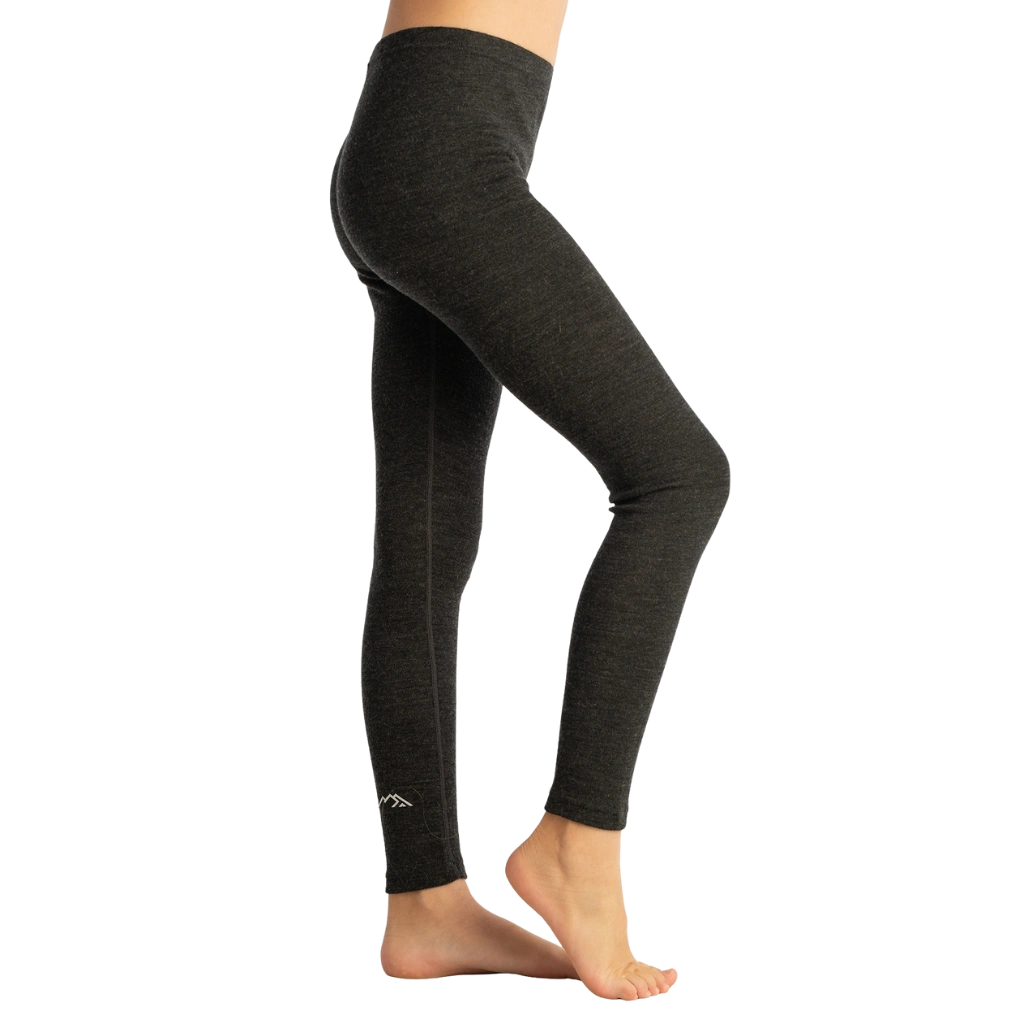
The reason merino was worth smuggling out of Spain is the same reason it is worth wearing now: fibre fineness. Ours measures 17.5 micron, well below the roughly 22 micron threshold where wool starts to feel prickly, which is why a merino layer can sit against bare skin all day.
What that fineness buys you:
- Temperature regulation in both directions. Warm in cold, cooler than cotton in heat.
- Moisture moved as vapour before it becomes sweat, and insulation that survives damp.
- Natural odour resistance — several wears between washes, which is a smaller footprint as well as less laundry.
- Renewable and biodegradable. A sheep is shorn annually and grows the fleece back; the fibre breaks down in soil rather than shedding microplastics.
Frequently asked questions
Who brought merino sheep to America?
William Jarvis, a Vermont-born American diplomat serving in Lisbon, shipped thousands of purebred merinos to the United States during the Napoleonic Wars, when Spain's export controls collapsed.
Why was exporting merino sheep illegal in Spain?
Spanish merino fleece was the finest in the world and the flocks were treated as a national asset. Export of live animals was banned to protect the monopoly, at times under penalty of death.
What was merino mania?
The speculative boom in New England after merinos arrived: pasture converted, breeding rams changing hands at extraordinary prices, and textile mills opening to process the domestic clip.
Is merino wool still farmed in the United States?
Yes, though the finest clips today come from Australia and New Zealand. Our wool is 100% Australian merino at 17.5 micron.
Where to start
- Men's merino t-shirts — the everyday piece, 165 and 180 GSM.
- Merino underwear and base layers — odour-resistant and breathable.
- Lightweight summer styles — wool that works in heat, which surprises most people.
- What is merino wool? — the fibre explained in plain terms.