
Why merino wool clothing is back
Think of your last long flight, mountain hike or summer run. At some point something went wrong with what you were wearing: a damp shirt that would not dry, a synthetic tee that smelled after one day, a cotton layer that went cold the moment you stopped moving.
That is the gap merino wool fills. Not wool in general — merino specifically, at a fibre fineness that makes it wearable against bare skin. Everything Merino.tech makes is 100% Australian merino at 17.5 micron.
What makes merino different
Synthetics feel good for the first hour and then trap sweat and odour. Cotton is soft until it gets wet, and once wet it stays wet, which is what actually makes people cold outdoors. Merino behaves differently for reasons that are structural, not marketing:
- Odour resistance. Merino traps odour-causing bacteria inside the fibre rather than releasing them. Several days of wear between washes is normal, which is why one shirt replaces three on a trip.
- Thermoregulation in both directions. Warm when it is cold, cooler than cotton when it is hot. The fibre buffers change rather than only insulating.
- Moisture moved as vapour. Sweat leaves before it becomes liquid, so the fabric does not go heavy or clammy.
- Warm even when damp. Wool keeps a meaningful share of its insulation wet. Cotton and down do not.
- Renewable and biodegradable. A sheep is shorn annually and grows the fleece back; the fibre breaks down in soil rather than persisting for centuries.
This is not only our claim. In customer reviews the same story repeats: the same base layer worn for days of hiking or travel, with no odour.
The range, category by category
Merino wool socks
The journey starts at your feet. Merino hiking socks blend merino with nylon and spandex so the fibre that regulates temperature is supported by fibres that hold the shape of the heel and arch. They regulate temperature, resist odour and prevent the damp-sock blisters cotton is famous for. Available in packs of 2, 3 and 6.
Base layers
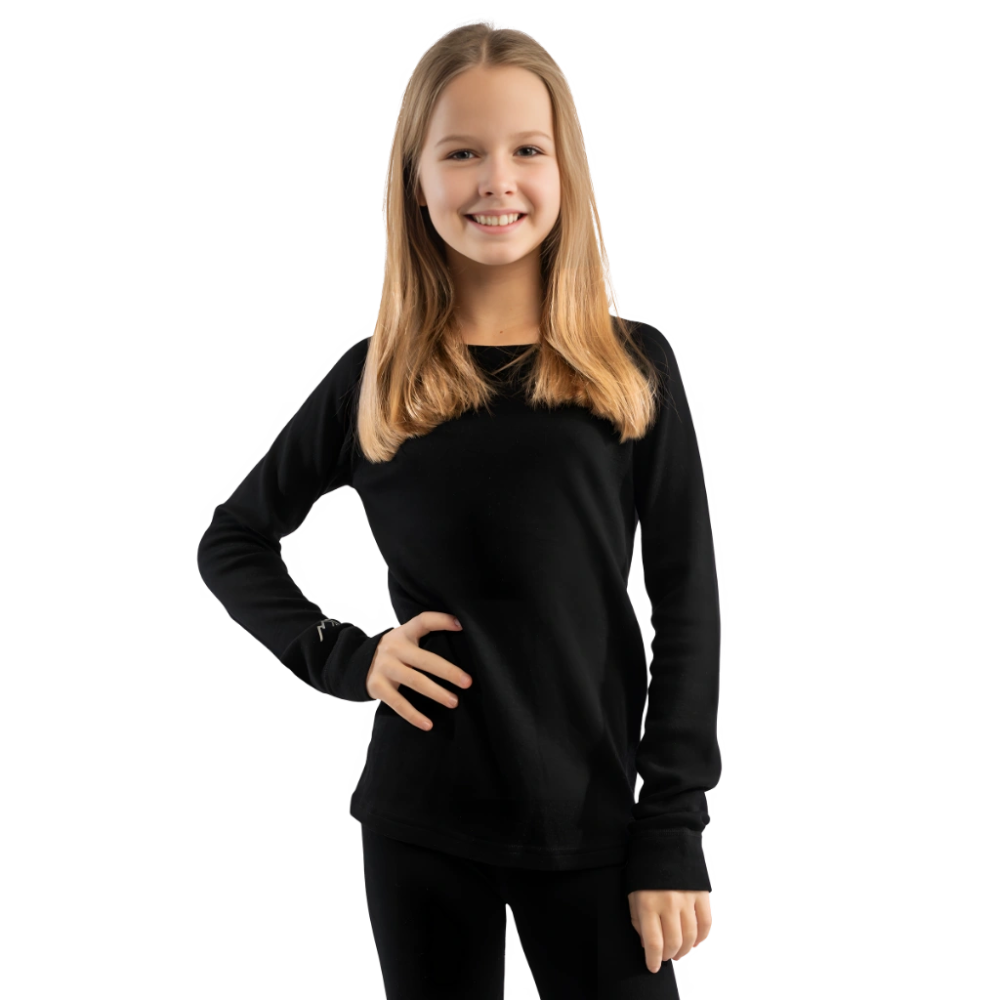
Every system starts with the layer against skin. Men's base layers and women's base layers are built for hikers, skiers and cyclists who need a layer that keeps working mile after mile — breathable enough for the climb, warm enough for the stop at the top.
Leggings and base layer bottoms
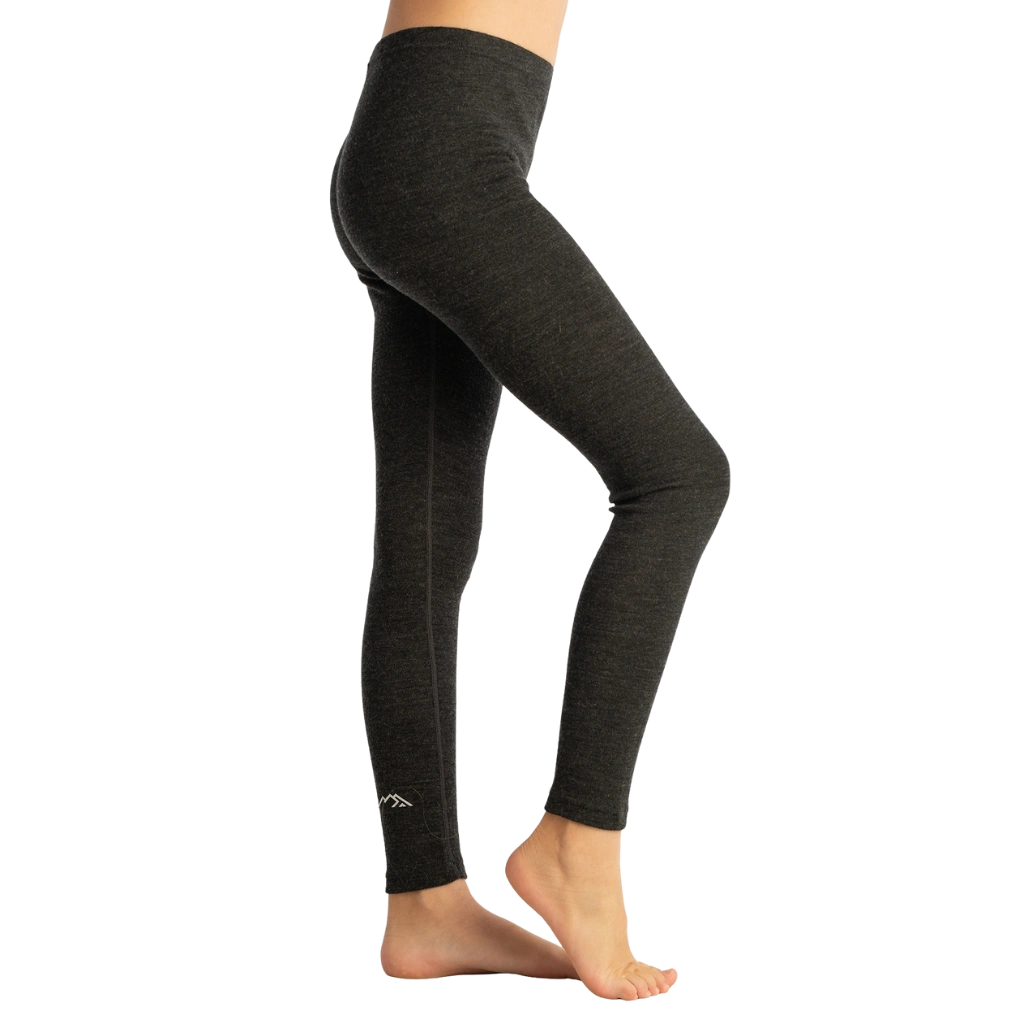
Legs are the part most people under-dress. Merino leggings give warmth without bulk, stretch with movement and never feel clammy under ski trousers or a pair of jeans.
T-shirts and underwear
If you travel light, this is the category that changes your packing. A merino t-shirt goes from a trail to a restaurant without looking like technical kit, and merino underwear stays fresh through a long flight or a long shift. Quick-drying, odour-resistant, soft enough to sleep in.
How to choose the right weight

Not all merino is the same. Garments are labelled in GSM — grams per square metre, the weight of the fabric. Higher number, warmer garment.
- 165 GSM, lightweight. Summer, running, hot-climate travel, layering under something warmer.
- 190 GSM, lightweight plus. The versatile everyday weight for shoulder seasons and active travel.
- 250 GSM, midweight. The all-rounder: hiking, skiing, first frost through midwinter. The weight most people buy.
- 320 GSM, heavyweight. Deep cold and low activity — ice fishing, chairlifts, cold work outdoors.
For a full breakdown, read our GSM weight guide, or compare the weights on the midweight 250 page.
Who merino is for
- Outdoor people. Hikers, runners, skiers and cyclists who want gear that does not smell by day two.
- Travellers. A couple of merino pieces replace a suitcase of synthetics, because you wash far less often.
- Everyday wear. Anyone who wants natural fibre without giving up comfort, and who is tired of replacing cotton tees every season.
Frequently asked questions
Is merino wool itchy?
Not at this fineness. Prickle is caused by fibre diameter: anything above roughly 22 micron is stiff enough to press into the skin. Our merino measures 17.5 micron, so the fibre bends instead.
How many days can you wear merino before washing?
Three or more wears is normal, and travellers often get a week out of two shirts. Merino traps odour-causing bacteria inside the fibre rather than releasing them.
Is merino wool good for summer?
Yes. A lightweight 165 or 180 runs cooler than cotton in heat because it moves moisture as vapour rather than absorbing it, and it carries a UPF rating of 25.
What GSM should I start with?
250 if you want one piece for autumn and winter. 190 if you want one piece for the whole year. Add a 165 for summer and a 320 only if you spend cold days standing still.
How do you wash merino wool?
Inside out, cold water, gentle cycle, mild detergent, lay flat to dry. No tumble dryer, no fabric softener. See the full method in our care guide.
Where to start
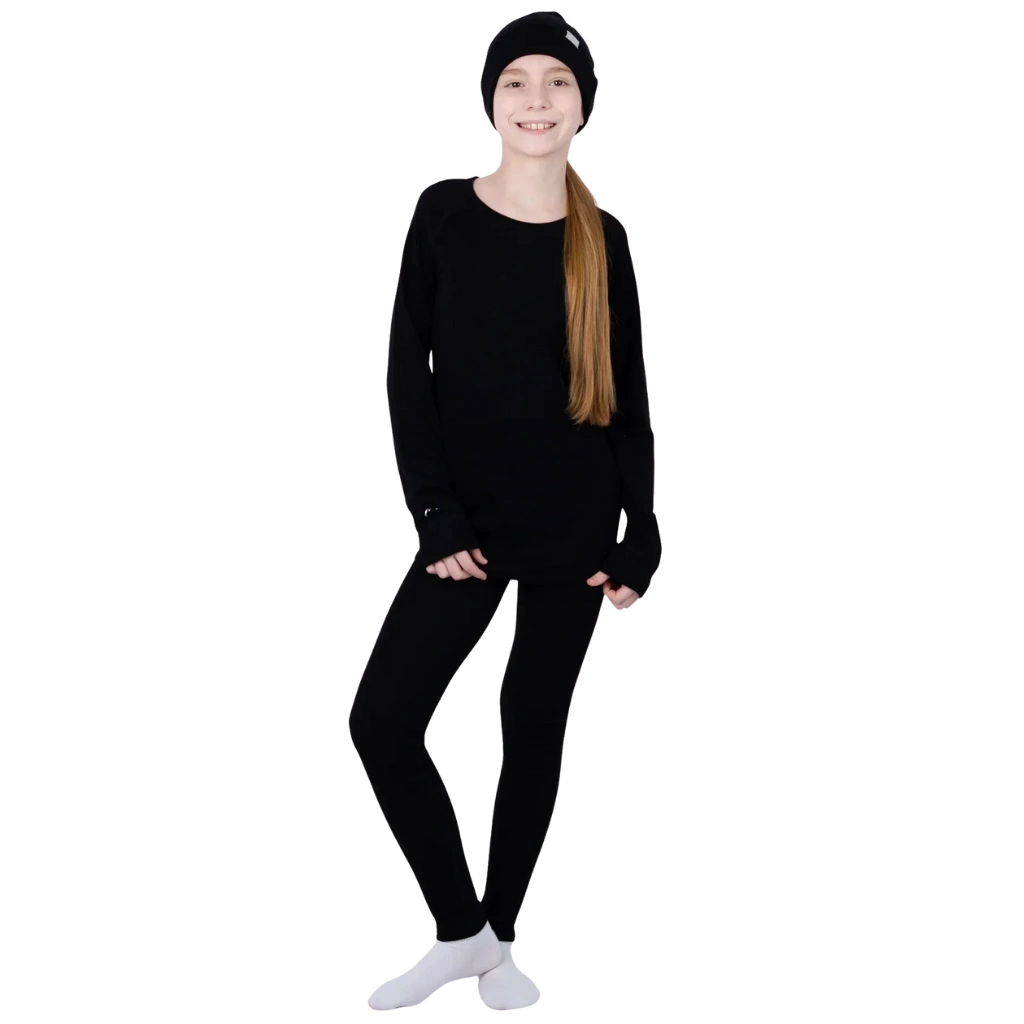
If you have never worn merino, start with a pack of socks or a single t-shirt and wear it for a week before deciding. For winter, the men's and women's 250 base layer sets are where most people land.